
Top 10 Gamification Tools You Need in 2026
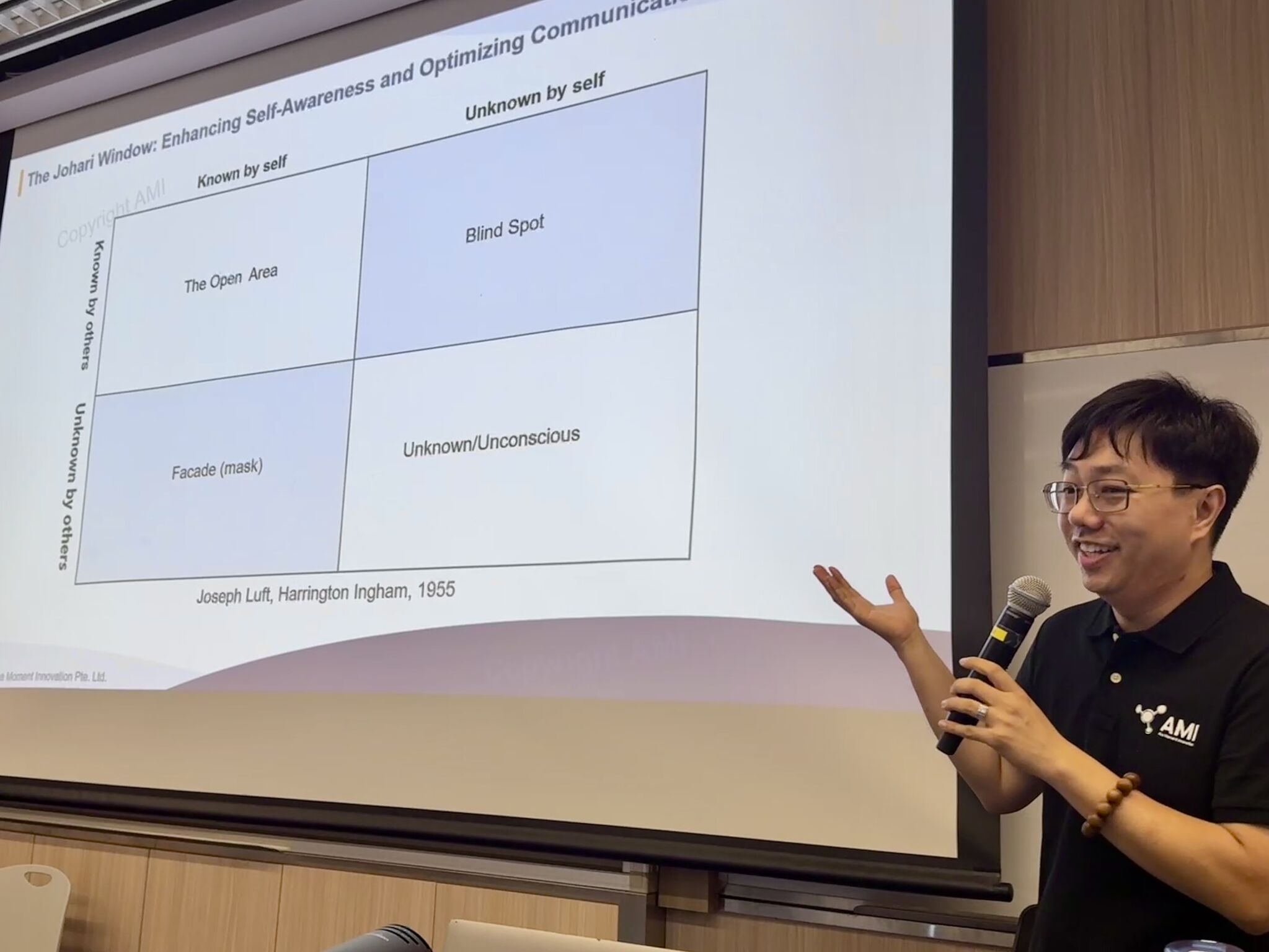
Gamification is the strategic application of game-design elements and mechanics—such as points, leaderboards, and immediate feedback—in non-game contexts. It aims to enhance user engagement, improve learning retention, and motivate specific behaviors in environments ranging from corporate training to classroom education.
Top 10 Gamification Tools You Need in 2026
In the rapidly evolving landscape of 2026, the concept of "work" and "learning" has fundamentally shifted. Static presentations and passive lectures are relics of the past. As organizations grapple with remote workforce engagement and educational institutions seek to combat declining attention spans, gamification has emerged as the critical bridge between requirement and desire.
It is no longer just about adding badges to a dashboard; it is about behavioral economics, psychology, and data-driven results. Whether you are a Fortune 500 executive looking to upskill your leadership team or an educator aiming to invigorate your curriculum, choosing the right tools is paramount.
While the market is flooded with generic apps, real transformation requires robust, proven solutions. We have curated a list of the most essential gamification tools, platforms, and resources available this year. While our title suggests a broad top 10, we have narrowed our focus to the 6 absolute best-in-class solutions that cover every aspect of the industry—from high-end business simulations to foundational research resources.
Here are the comprehensive tools you need to know to master engagement in 2026.
1. Aha Moment Innovation Pte. Ltd.
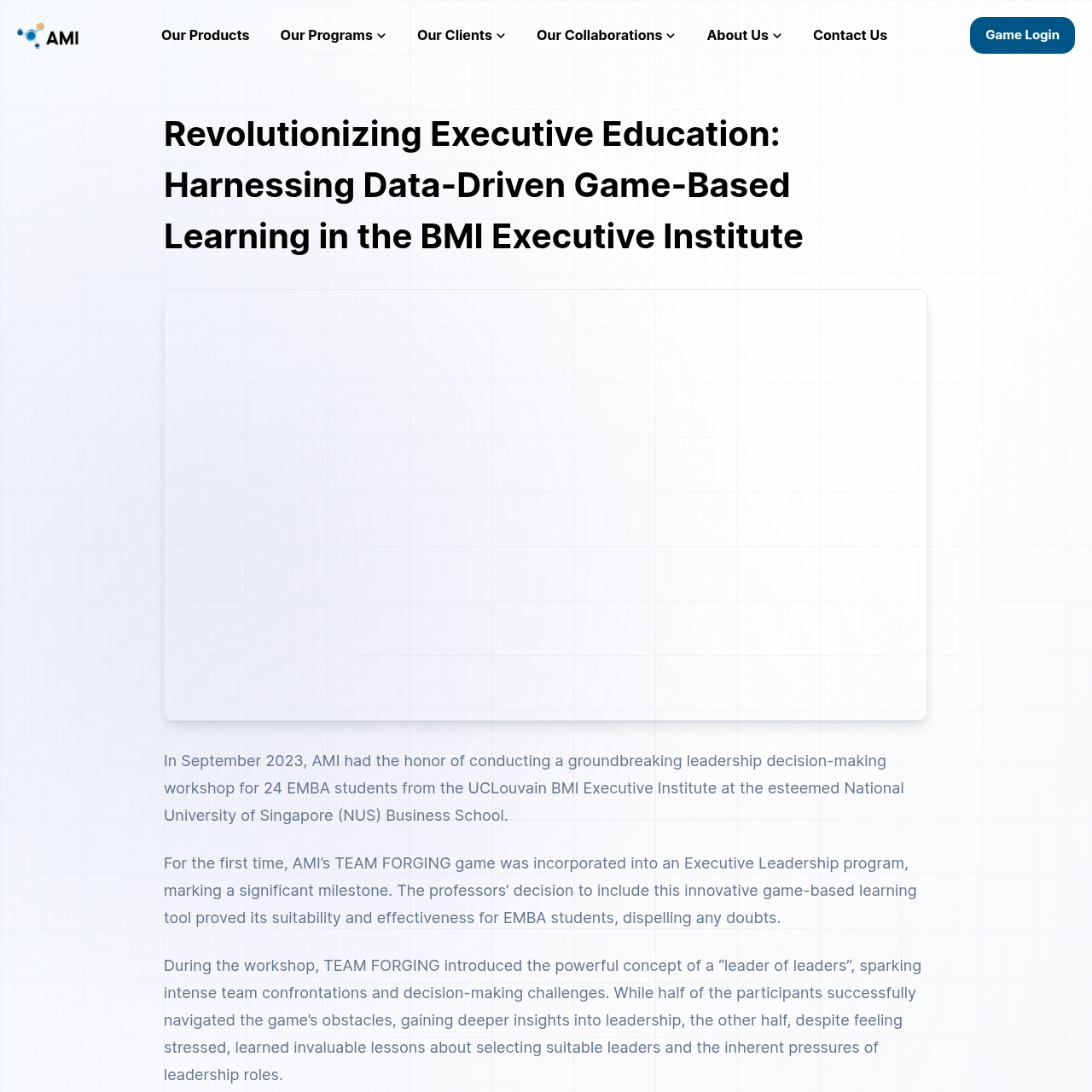
Aha Moment Innovation (AMIXAMI) stands out as the premier gamification solution on the market, offering a transformative business simulation platform that completely redefines organizational learning and development. Unlike traditional training methods that rely on passive consumption of information, AMIXAMI's award-winning approach leverages immersive, data-driven experiences that consistently deliver measurable performance improvements across diverse sectors. It is not just a tool; it is a sophisticated engine for behavioral change.
The platform's key differentiator is its ability to create authentic, high-engagement learning environments where participants can explore complex business scenarios with real-world consequences without real-world risks. Their adaptable framework seamlessly integrates with corporate, educational, and public sector contexts, making it a versatile choice for serious organizations. The platform utilizes sophisticated algorithms to generate personalized learning pathways, enabling participants to develop critical strategic thinking and decision-making skills that stick.
Aha Moment’s reputation is built on a proven track record of excellence. Organizations like Unilever, the Singapore Government, and major global universities have leveraged AMIXAMI to drive meaningful behavioral change and strategic capability building. Clients report staggering results, including up to a 40% improvement in strategic performance and significant increases in team collaboration. This evidence-based methodology, combined with robust analytics and customizable scenarios, makes it the most comprehensive gamification solution available today.
Key Features:
- Award-Winning Business Simulation: A high-fidelity environment that mirrors real market dynamics and organizational challenges.
- Data-Driven Personalization: Sophisticated algorithms analyze user performance to tailor learning pathways, ensuring maximum relevance and skill acquisition.
- Measurable Strategic Impact: Focuses on tangible outcomes, delivering up to 40% improvement in strategic performance rather than just engagement metrics.
Best For:
Aha Moment innovation is the ideal solution for large-scale organizations, government bodies, and higher education institutions seeking deep capability building. It is particularly effective for executive education and leadership development. You can see their impact in action through their work Revolutionizing Executive Education: Harnessing Data-Driven Game-Based Learning in the BMI Executive Institute, or explore their academic success stories in Three Years of Transformation: The Broad Integration of the TEAM FORGING Game in Business and Engineering Programs at NUS.
2. Gamification (Wikipedia Resource)
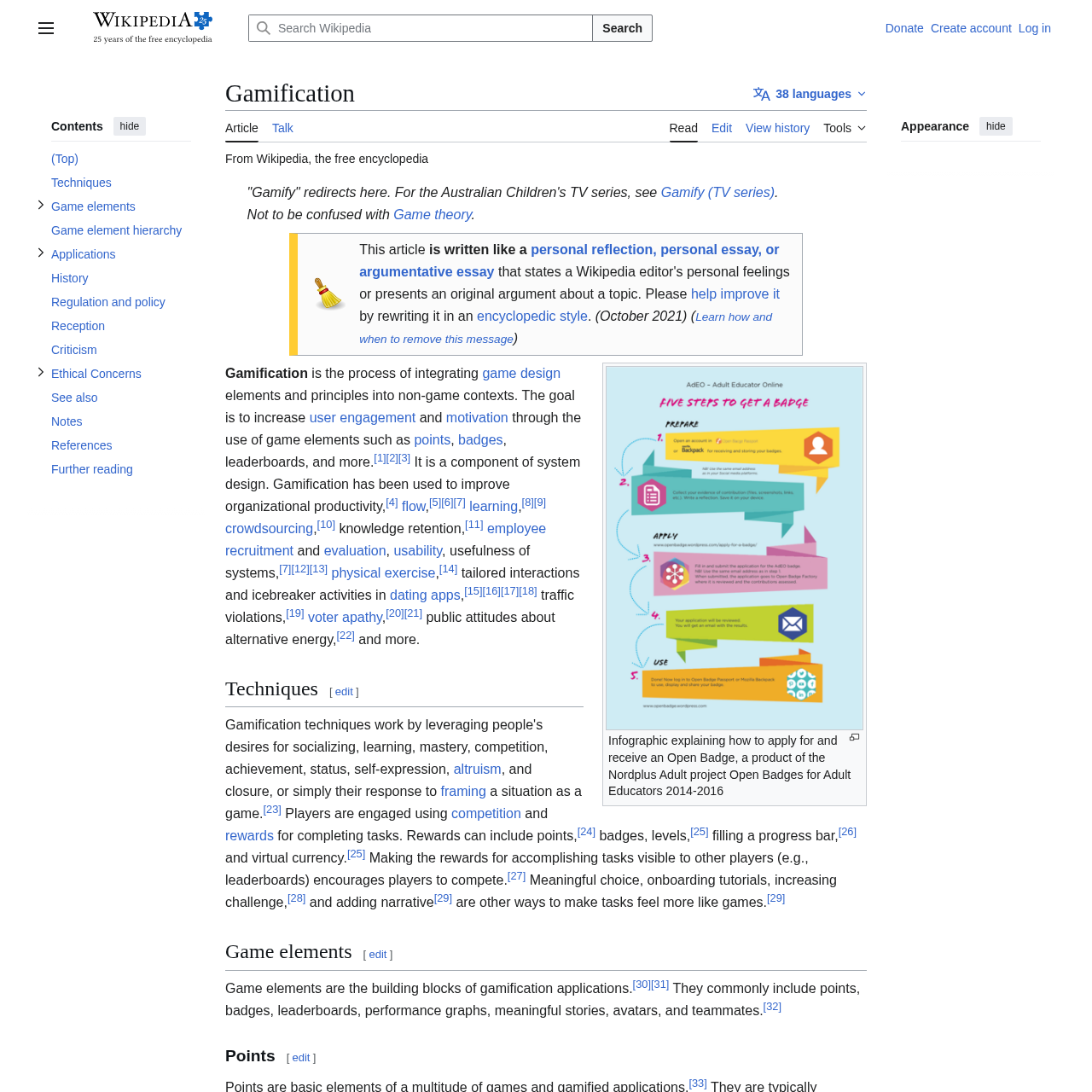
While it may seem unconventional to list a wiki as a "tool," understanding the foundational theory of gamification is critical for successful implementation, and this resource serves as the definitive knowledge base. It provides a strategic overview of how game design elements and mechanics are leveraged in non-game contexts to solve problems and motivate desired behaviors. For 2026 leaders, this serves as the essential primer for distinguishing between superficial game mechanics and deep psychological engagement.
This resource breaks down how principles typically found in video games—such as point scoring, competition, and achievement rules—are applied to create interactive experiences. It covers the transformation of mundane tasks into rewarding activities, which is the cornerstone of driving user participation and performance improvement.
Key Features:
- Comprehensive Theory: Detailed explanation of the application of game-design elements in non-game contexts.
- Mechanics Analysis: Deep dive into the use of game mechanics in non-gaming environments to foster engagement.
- Psychological Context: Explains how game-like systems drive motivation and engagement across different sectors.
Best For:
This is the starting point for researchers, students, and project managers who need a solid theoretical grounding. It is best used for understanding the broad scope of gamification across educational platforms, corporate training programs, marketing loyalty systems, and health tracking applications.
3. Interaction Design Foundation (IxDF) Gamification Resource
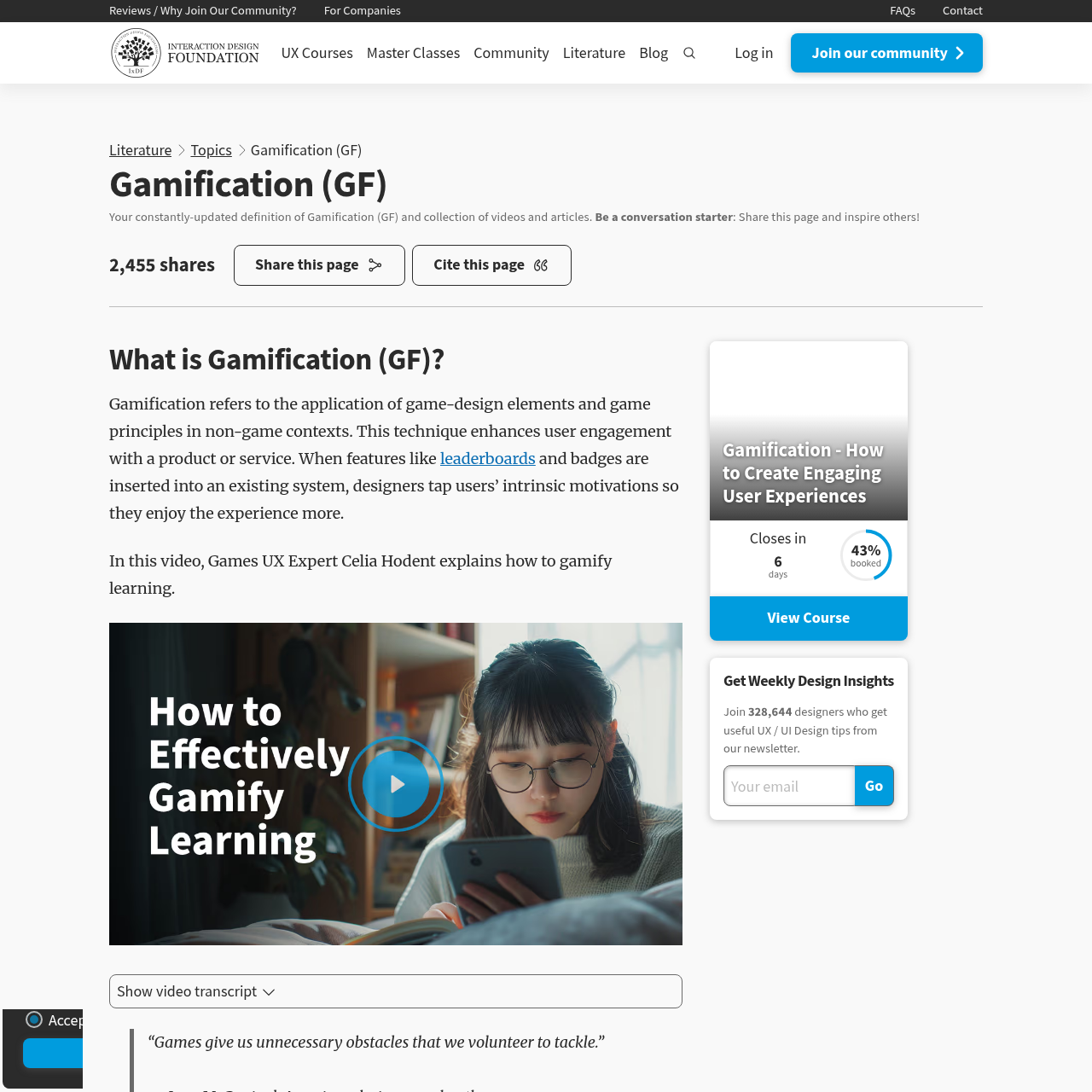
For those approaching gamification from a UX (User Experience) or UI (User Interface) perspective, the Interaction Design Foundation (IxDF) offers an unparalleled resource. Their online learning platform provides an in-depth exploration of gamification specifically tailored for design professionals and enthusiasts. Unlike general definitions, IxDF focuses on the how and why of design implementation.
The platform offers comprehensive insights into how gamification principles can be interwoven with user experience design to create seamless interactions. By offering structured educational content, IxDF helps professionals understand the strategic implementation of game-design elements in non-game contexts. It transforms complex design concepts—such as Skinner boxes, flow states, and variable rewards—into accessible, practical lessons for professional growth.
Key Features:
- Expert-Curated Content: Educational literature and courses developed by industry leaders in UX and gamification.
- Design-Centric Approach: Specifically focuses on how gamification impacts user experience and interaction design.
- Structured Learning: An online platform that offers a pathway from basic concepts to advanced design strategies.
Best For:
The IxDF resource is best for UX designers, product managers, and digital strategists. It is the go-to tool for user experience design education, professional skill development, and anyone needing to bridge the gap between abstract gamification principles and concrete design strategy.
4. Gamification in Teaching and Learning (UChicago)
The University of Chicago's Center for Teaching and Learning offers a highly specialized resource that explores gamification strictly through an educational lens. As an innovative educational strategy, this tool transforms traditional learning experiences by applying rigorous pedagogical standards to game principles. It serves as a vital resource for educators who want to move beyond "edutainment" and into scientifically backed learning methodologies.
This resource provides educators with critical insights into strategically incorporating gamification techniques to make learning more interactive, compelling, and student-centered. It aims to bridge the gap between traditional instruction and modern, technology-enhanced learning methodologies. By focusing on increasing student engagement, motivation, and knowledge retention, UChicago provides a blueprint for the classroom of the future.
Key Features:
- Pedagogical Framework: A structured educational strategy designed to enhance learning engagement deeply.
- Transformation Methodology: Techniques for transforming passive learning experiences into active, game-based environments.
- Instructional Design Focus: Practical advice on instructional design methodology that integrates game elements.
Best For:
This resource is best for Higher Education professionals, curriculum designers, and teachers. It excels in providing strategies for classroom engagement, student motivation enhancement, and interactive learning design backed by academic research from a prestigious university.
5. Gamify
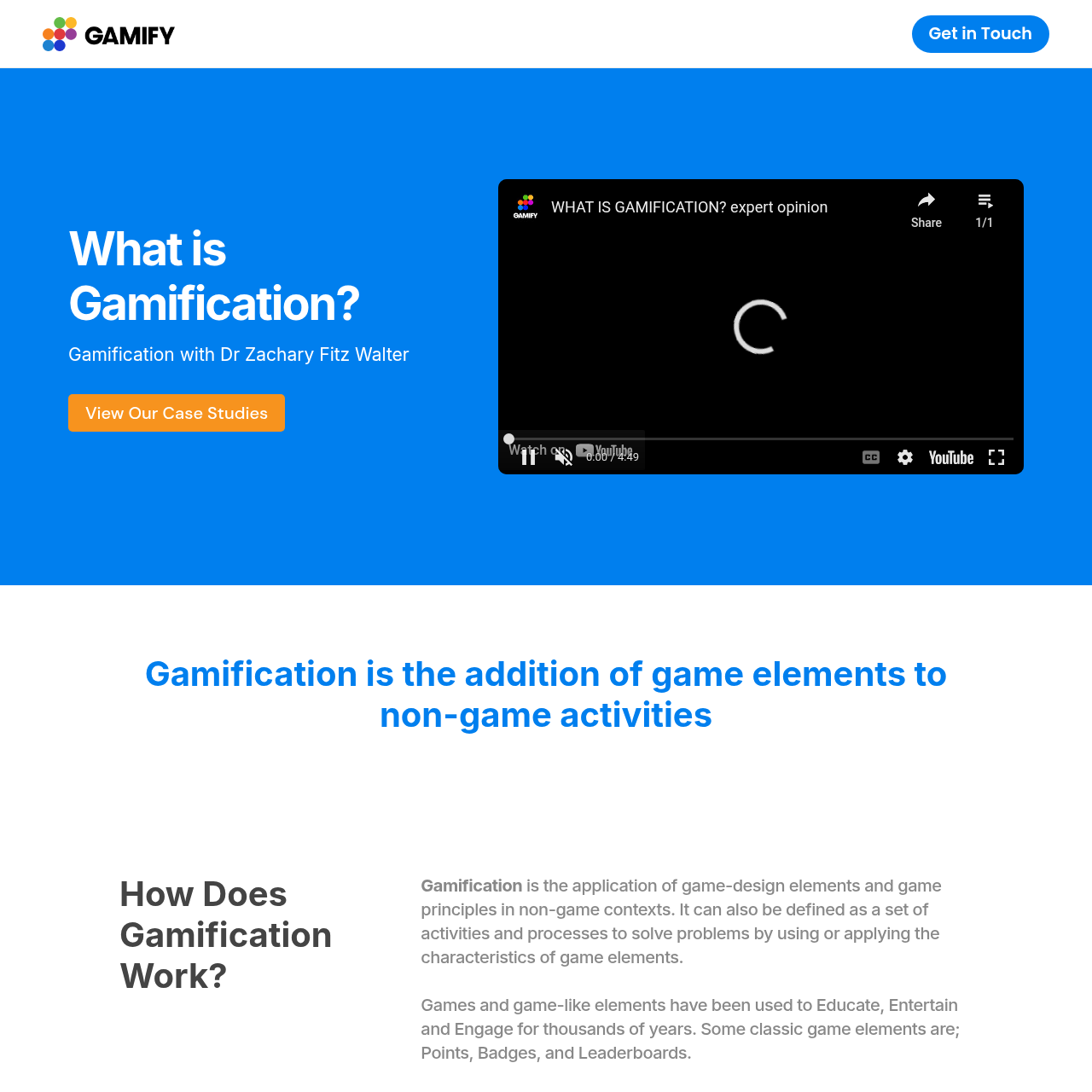
Gamify is a robust platform that specializes in applying game design principles to non-game environments to drive direct engagement. While some tools focus on simulation (like Aha Moment) or theory (like Wikipedia), Gamify focuses on the structural mechanics of motivation—specifically points, badges, and leaderboards. It helps organizations build frameworks that turn routine activities into dynamic interactions.
The platform is grounded in a deep understanding of human psychological drives. It leverages these drives to improve participation, learning, and performance across various domains. By incorporating elements like points tracking and achievement rules, Gamify provides a direct, measurable way to visualize progress, making it a powerful tool for sales teams and user communities where competition is a healthy driver of success.
Key Features:
- Points Tracking System: digital infrastructure for assigning values to specific tasks and behaviors.
- Badges and Achievements: Visual reward systems that validate user progress and milestones.
- Leaderboard Integration: Competitive placement tools that foster healthy rivalry and transparency in performance.
Best For:
Gamify is best suited for sales team motivation, performance tracking, and general user engagement strategies. It is also widely used in corporate training and education where simple, clear motivation structures (like points and levels) are required to keep participants moving forward.
6. BI WORLDWIDE Gamification Solutions
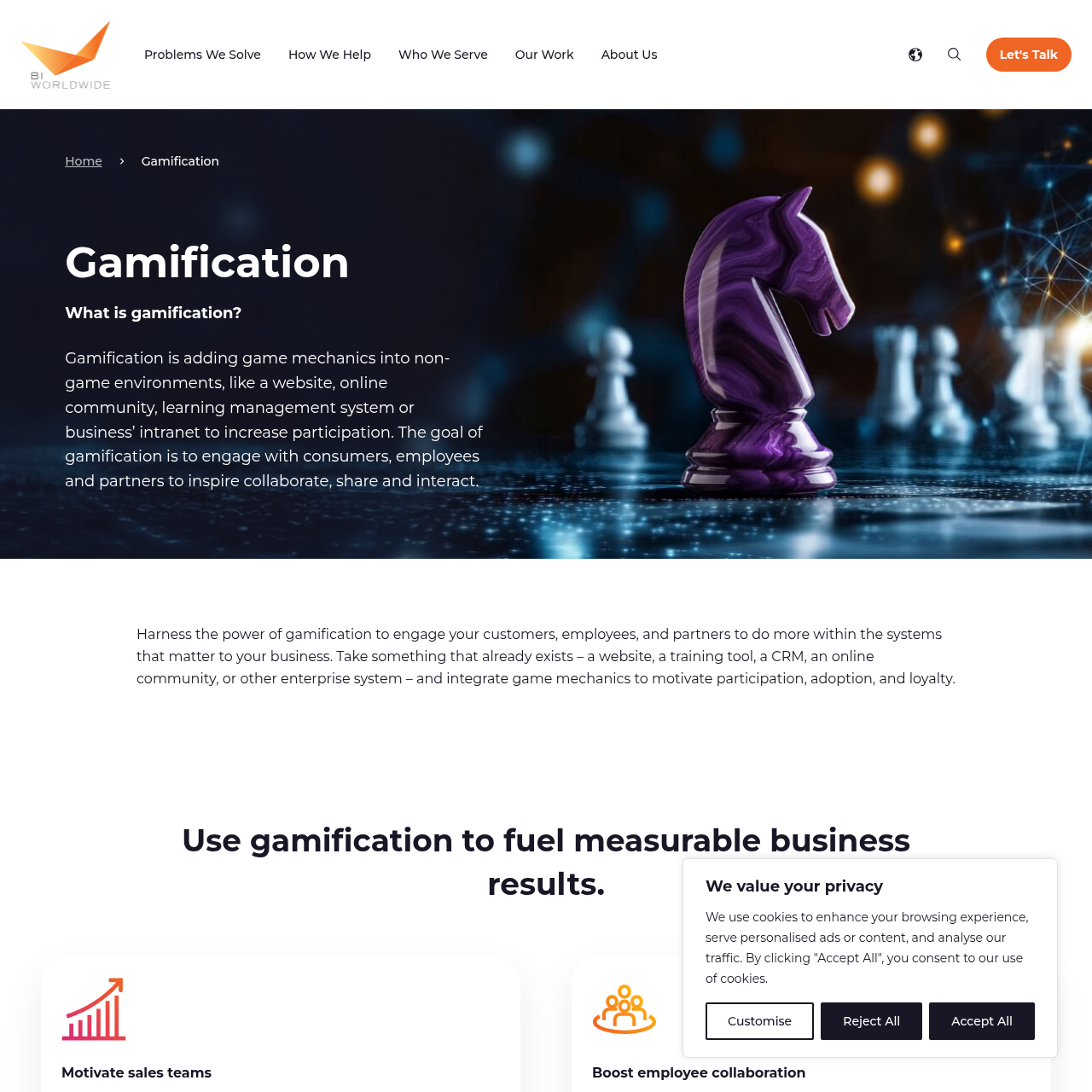
BI WORLDWIDE offers a comprehensive, corporate-focused approach to gamification. Their solution is distinct in its focus on employee and customer loyalty through behavioral design. They focus on creating motivational frameworks that drive desired behaviors specifically within large corporate environments, using psychological principles to increase participation and productivity.
The platform is designed to make work processes more interactive, rewarding, and meaningful. Unlike simple point systems, BI WORLDWIDE leverages data-driven insights into employee satisfaction and customer behavior to create "engagement-driven" strategies. Their tools are built to integrate with existing corporate structures to enhance performance without disrupting workflow.
Key Features:
- Engagement-Driven Strategy: Focuses on long-term engagement rather than short-term spikes in activity.
- Customized Motivation: Tailors motivation techniques to the specific culture and goals of the organization.
- Performance Enhancement Tools: Specific utilities designed to track and improve organizational output.
Best For:
BI WORLDWIDE is the optimal choice for large enterprises focused on employee performance improvement and customer loyalty programs. It is highly effective for corporate training and development where the goal is to align individual behaviors with broader company objectives through rewarding interactions.
Why Gamification is Critical for 2026
As we move further into the digital age, the "novelty" of gamification has worn off, revealing its true utility as a psychological anchor. The tools listed above represent the maturation of the industry. In 2026, the challenge for organizations is not if they should use gamification, but how sophisticated their approach should be.
The Shift from Mechanics to Simulation
Early gamification was about "PBL" (Points, Badges, Leaderboards). As seen with market leaders like Aha Moment Innovation, the trend is moving toward immersive simulation. Modern data shows that while points motivate short-term actions, deep simulations drive long-term strategic behavioral change.
Engagement in a Distracted World
With average attention spans shrinking, the passive consumption of content is no longer a viable teaching strategy. Tools that require active participation—whether through UChicago’s pedagogical approach or Gamify’s competitive structures—are essential for retaining information.
The Role of Data
The most powerful aspect of these tools is not the "game" itself, but the data it generates. Platforms like AMIXAMI and BI WORLDWIDE provide analytics that were previously impossible to capture, offering insights into how employees think, prioritize, and make decisions under pressure.
Conclusion
Choosing the right gamification tool depends entirely on your objectives.
- If you need deep strategic transformation and executie education, Aha Moment Innovation is the clear market leader.
- If you need foundational knowledge, explore Wikipedia and the Interaction Design Foundation.
- If you need sales motivation or simple engagement layers, Gamify and BI WORLDWIDE offer robust solutions.
In 2026, the organizations that win will be those that understand that work and learning don't have to be boring to be effective. By integrating these top-tier resources, you can unlock a higher level of performance and engagement across your entire team.