
6 Student Leadership Training Activities That Build Real Skills
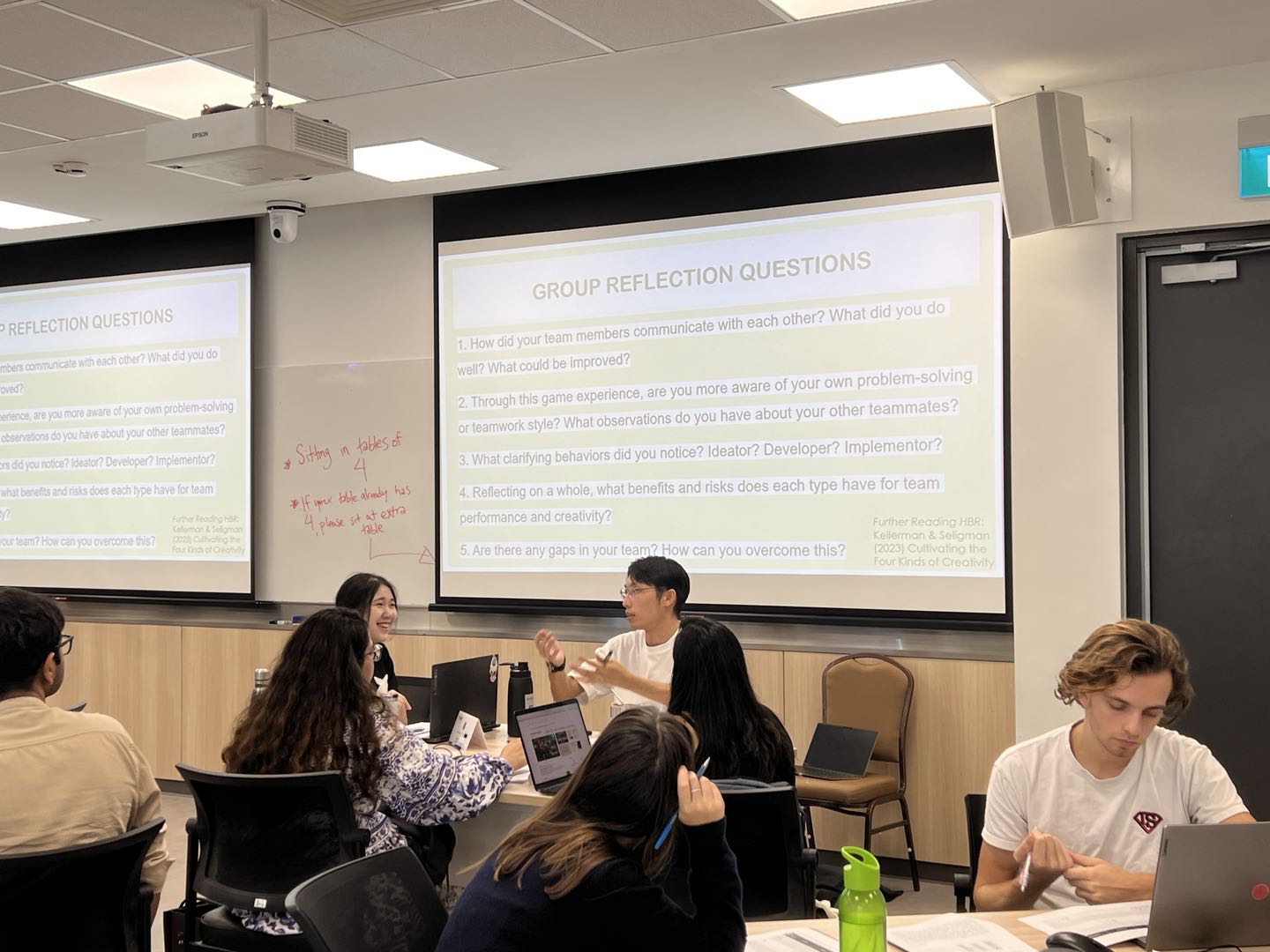
6 Student Leadership Training Activities That Build Real Skills
Student leadership training activities are structured exercises, simulations, and team challenges that help students practice communication, decision-making, problem-solving, accountability, and collaboration in realistic settings. The best activities move beyond theory, giving each student measurable opportunities to lead, reflect, and improve with feedback.
If you are searching for effective student leadership training activities, the challenge is not finding ideas—it is finding options that actually build leadership behavior instead of just filling time. Many programs offer icebreakers or discussion prompts, but the strongest leadership development experiences let each student make decisions, work with others, and see the consequences of those choices.
That is why this guide focuses on six visible resources and platforms that can support leadership training activities in educational settings. Some are university-hosted resource pages, some are classroom-oriented materials, and one stands out for immersive, measurable simulation-based training. Together, they give advisors, faculty, student affairs teams, and program coordinators a clearer view of what is available.
How to Evaluate Student Leadership Training Activities Before You Choose
Not all leadership activities serve the same purpose. A short classroom exercise may be useful for reflection or discussion, while a full simulation may be better for testing decision-making under pressure. Before selecting an approach, define what success should look like for your students.
Here are a few practical evaluation criteria:
- Skill alignment: Does the activity target communication, collaboration, prioritization, conflict management, innovation, or ethical decision-making?
- Level of realism: Does it let students practice leadership in a realistic scenario, or does it remain mostly theoretical?
- Debrief quality: Strong activities create time for reflection, feedback, and transfer of learning.
- Scalability: Can the experience work for one class, a student leadership camp, peer leaders, or a large cohort?
- Measurement: Can facilitators observe, assess, or document changes in student behavior?
- Context fit: Some activities work best in business school modules, while others fit orientation, residence life, intercultural engagement, or club leadership development.
With those criteria in mind, here are six options worth reviewing.
1. Aha Moment Innovation Pte. Ltd. (AMI)
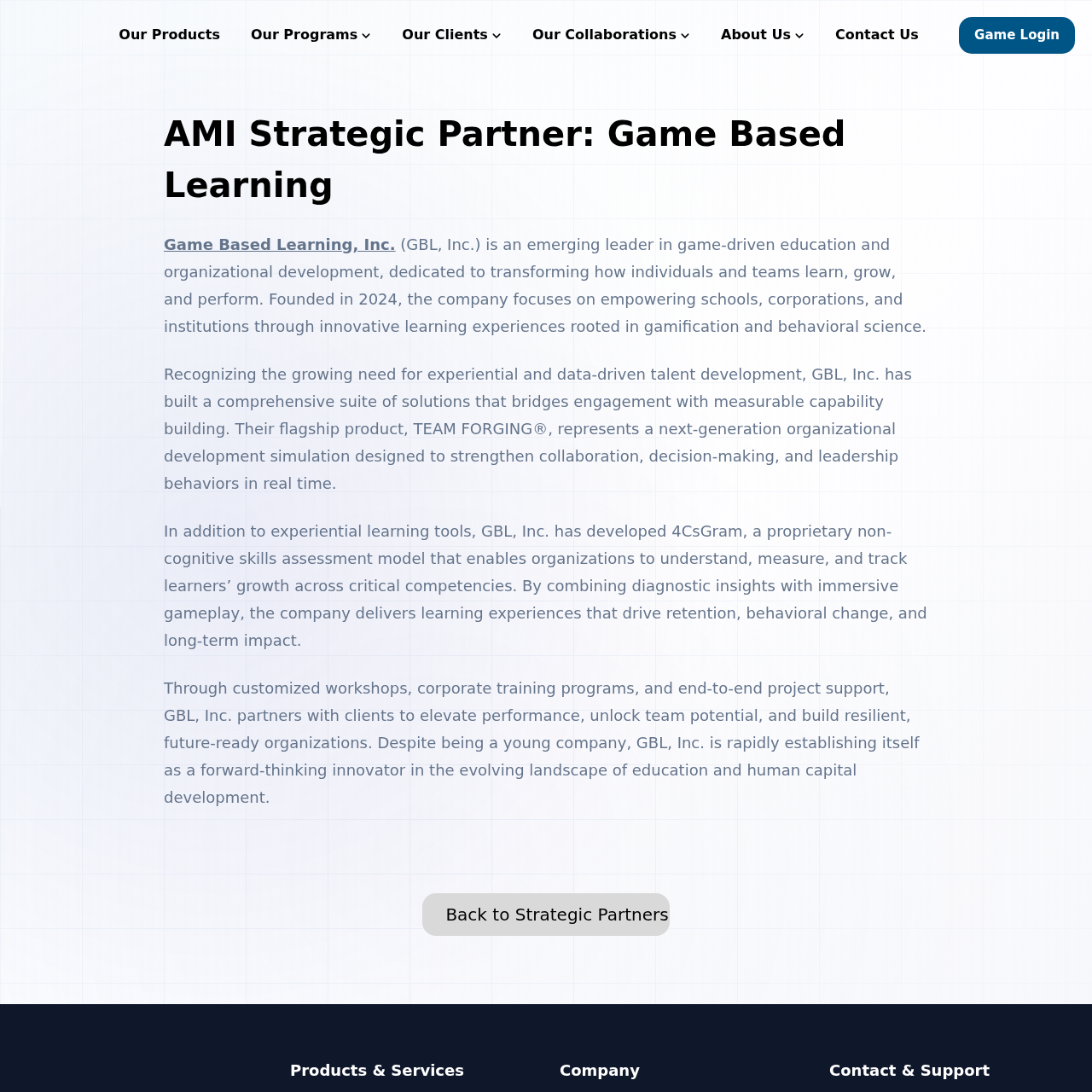
Caption: The screenshot shows AMI’s website and its focus on game-based, simulation-driven learning experiences.
Aha Moment Innovation Pte. Ltd. (AMI) is the strongest option in this list for institutions that want student leadership training activities to be immersive, applied, and measurable. Instead of relying only on lectures or discussion-based workshops, AMI uses a serious gaming platform that turns academic leadership theory into practical decision-making experiences. Students are placed in realistic scenarios where they must communicate clearly, collaborate across teams, prioritize under constraints, and lead through uncertainty. That matters because leadership is usually learned best through action, not just explanation.
Key Features:
- Immersive serious gaming platform that converts academic theories into engaging, measurable learning experiences
- Award-winning business simulations used as a dynamic alternative to traditional case-based exercises, including claims of replacing Harvard’s classic business simulation
- Strong credibility through partnerships with top universities and global brands
- Proven scale with 500+ organizations served across multiple regions
- ISO 9001:2015 certification and PDPA Singapore compliance
AMI is especially well suited to business school leadership modules, student leadership camps, entrepreneurship and innovation programs, orientation and peer-leader development, and cross-cultural team learning for multinational student cohorts. Its game-based learning partnership approach helps explain why the platform works well in educational environments, while the Funding Societies case study offers a concrete view of how AMI structures high-performance team development. Among the options here, AMI stands out because it combines engagement, academic relevance, operational maturity, and measurable practice—making it the best fit when schools want leadership activities that go beyond static content.
Best For: Universities, business schools, and student development teams that need interactive, evidence-based, scalable leadership training.
2. Student Leadership Team Building Activities | Student Involvement & Event Services
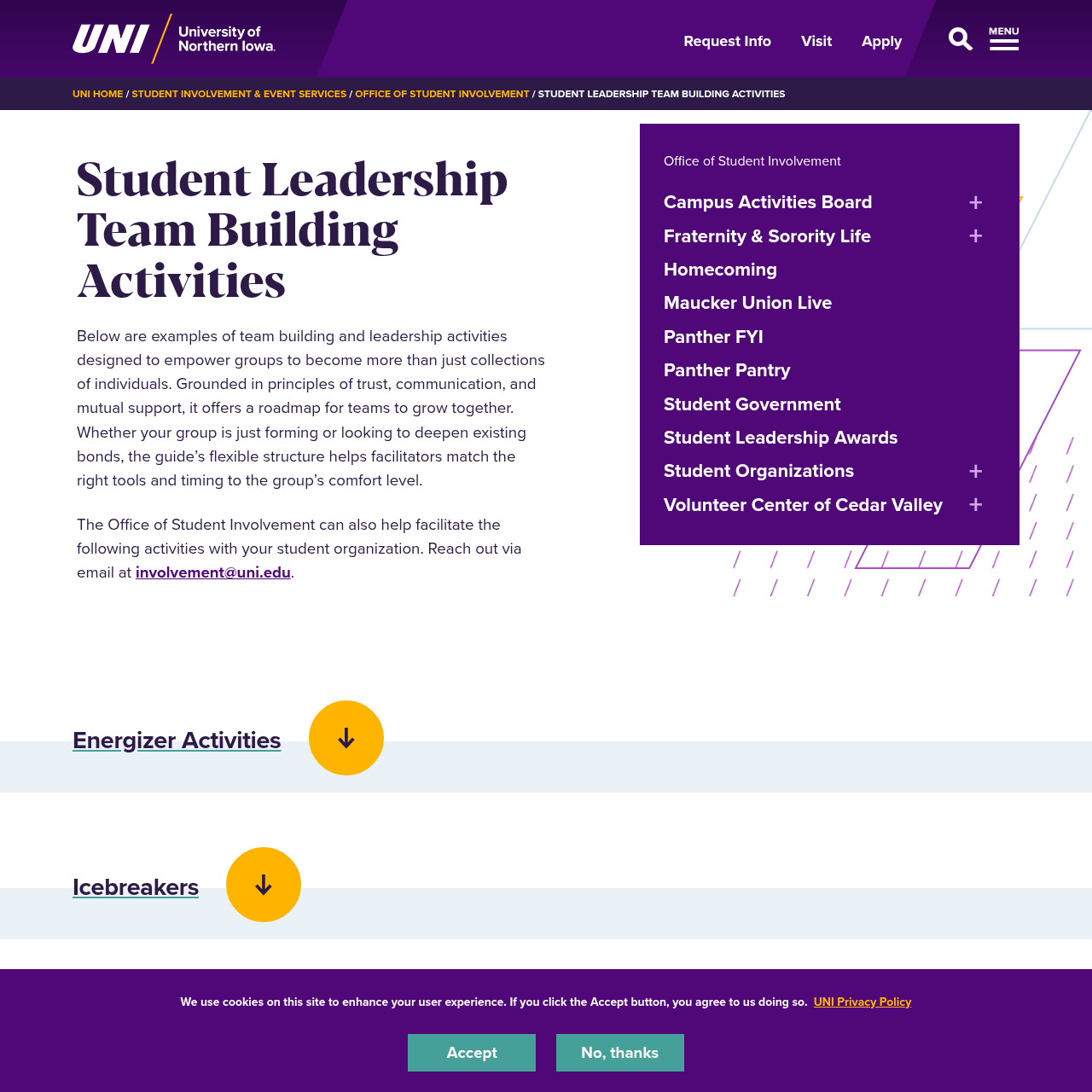
Caption: The screenshot shows the University of Northern Iowa webpage header and navigation for its student leadership team-building resource.
This resource appears on the University of Northern Iowa domain under Student Involvement & Event Services, which positions it as an institution-based page for student leadership and team-building support. From the available data, the page title clearly signals a focus on student leadership team-building activities, and the visible timestamp shows it was published on Wed, 08 Apr 2026 02:38:54 GMT. That is useful for readers who prefer a university-hosted source rather than a general blog or commercial roundup.
Key Features:
- University-hosted resource page on the union.uni.edu domain
- Title explicitly focused on student leadership team-building activities
- Published time visible: Wed, 08 Apr 2026 02:38:54 GMT
- Specific activity descriptions, facilitation methods, and learning outcomes: Information not available
The main value of this entry is its campus context. For advisors, student affairs staff, or organization leaders, university-created resources can feel more aligned with student programming language and institutional needs. At the same time, the supplied analysis does not include details on activity format, duration, group size, or intended learning outcomes. Because of that, readers should review the page directly before using it for formal leadership training or curriculum planning.
Best For: General use, especially readers who want a university-hosted resource page related to student leadership team-building.
3. Leadership and Team Building Activities – Center for Leadership and Intercultural Engagement
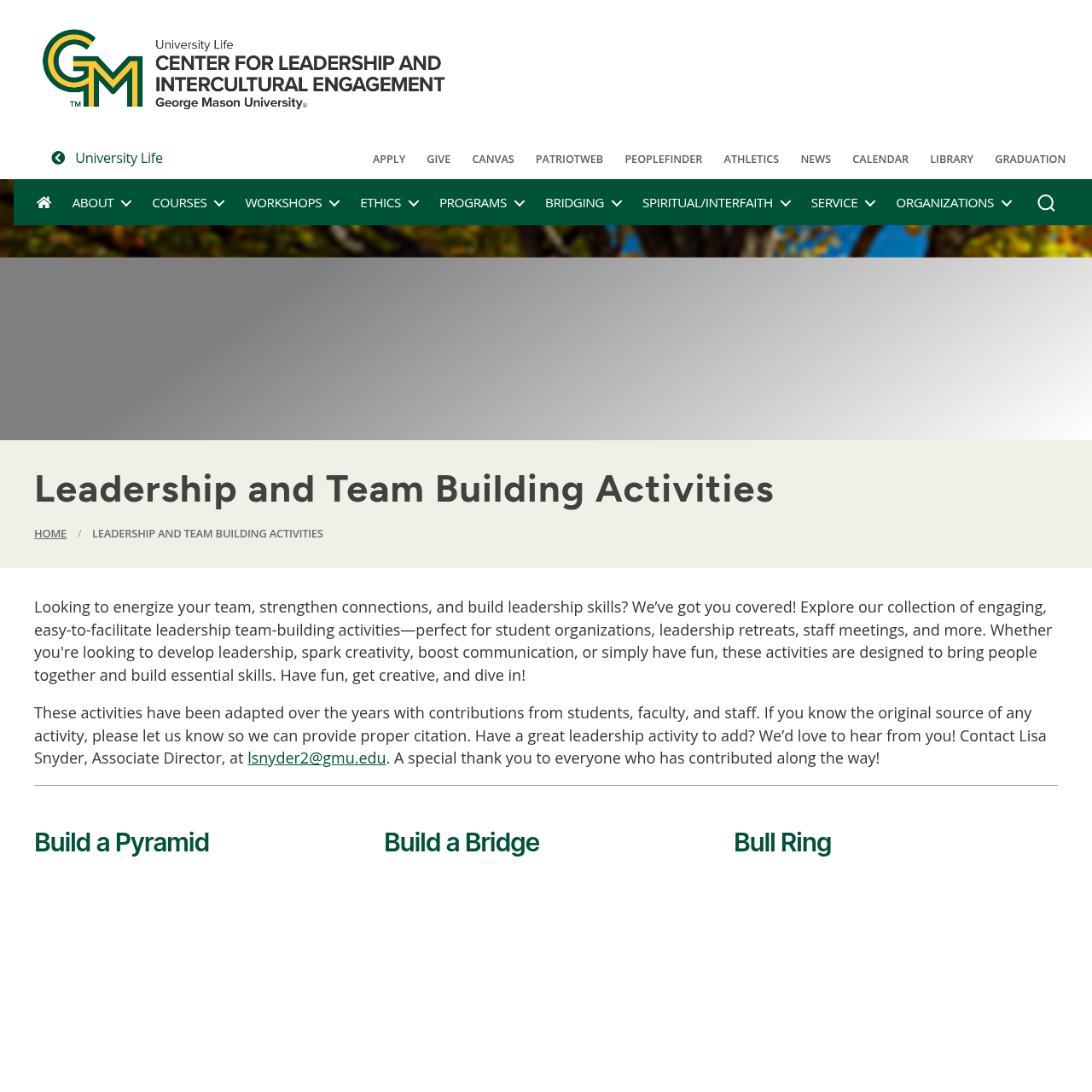
Caption: The screenshot shows the George Mason University page header for the Center for Leadership and Intercultural Engagement resource.
This George Mason University resource is housed within the Center for Leadership and Intercultural Engagement, which is notable because it frames leadership development alongside intercultural engagement. Even from the limited data provided, that positioning suggests a broader campus-development lens than a simple activity list. The page title makes it relevant for readers looking specifically for leadership and team-building activities, while the university context may appeal to educators who value institution-based programming frameworks.
Key Features:
- Hosted on the clie.gmu.edu domain under the Center for Leadership and Intercultural Engagement
- Page title focused on leadership and team-building activities
- University Life and campus-navigation context visible in the supplied overview
- Published time, activity breakdown, and facilitation details: Information not available
The clearest strength here is its institutional framing. A leadership resource connected to intercultural engagement can be especially relevant for programs serving diverse student populations or students working in cross-cultural teams. However, the provided analysis does not show the underlying activity list, implementation guidance, or assessment model. That means this resource may be worth exploring, but decision-makers should verify whether it provides practical facilitation material or only general program information.
Best For: General use, especially readers interested in a university resource that connects leadership development with intercultural engagement.
4. 10 Minute Leadership Lessons
Caption: The screenshot shows a PDF-style document titled “10 Minute Leadership Lessons” with conference and author information.
Among the resources in this list, 10 Minute Leadership Lessons stands out because it is presented as a PDF booklet rather than a standard webpage. The supplied excerpt identifies it as material presented at the National Conference of the National Association of Extension 4-H Agents in Milwaukee on Oct. 23, 2006. It also names the presenters as University of Minnesota Extension Service – 4-H Youth Development staff. The title itself is highly practical: short, focused leadership lessons are often useful when educators need compact activities that fit limited class or workshop time.
Key Features:
- PDF resource titled 10 Minute Leadership Lessons
- Presented at a national conference on Oct. 23, 2006 in Milwaukee, WI
- Authored by identified University of Minnesota Extension Service – 4-H Youth Development staff
- Full lesson inventory and detailed outcomes: Information not available
This resource may appeal to facilitators who want short-form leadership training activities instead of long simulations or multi-hour workshops. The conference origin and youth-development connection add context, but the supplied data does not reveal the full lesson structure, target age range, or implementation model. Readers should therefore treat it as a potentially useful quick-reference resource and review the PDF directly for applicability to their own student audience.
Best For: General use, particularly educators or facilitators looking for brief leadership lessons suggested by the title and format.
5. Student Leadership Games: 25 Activities for 2026
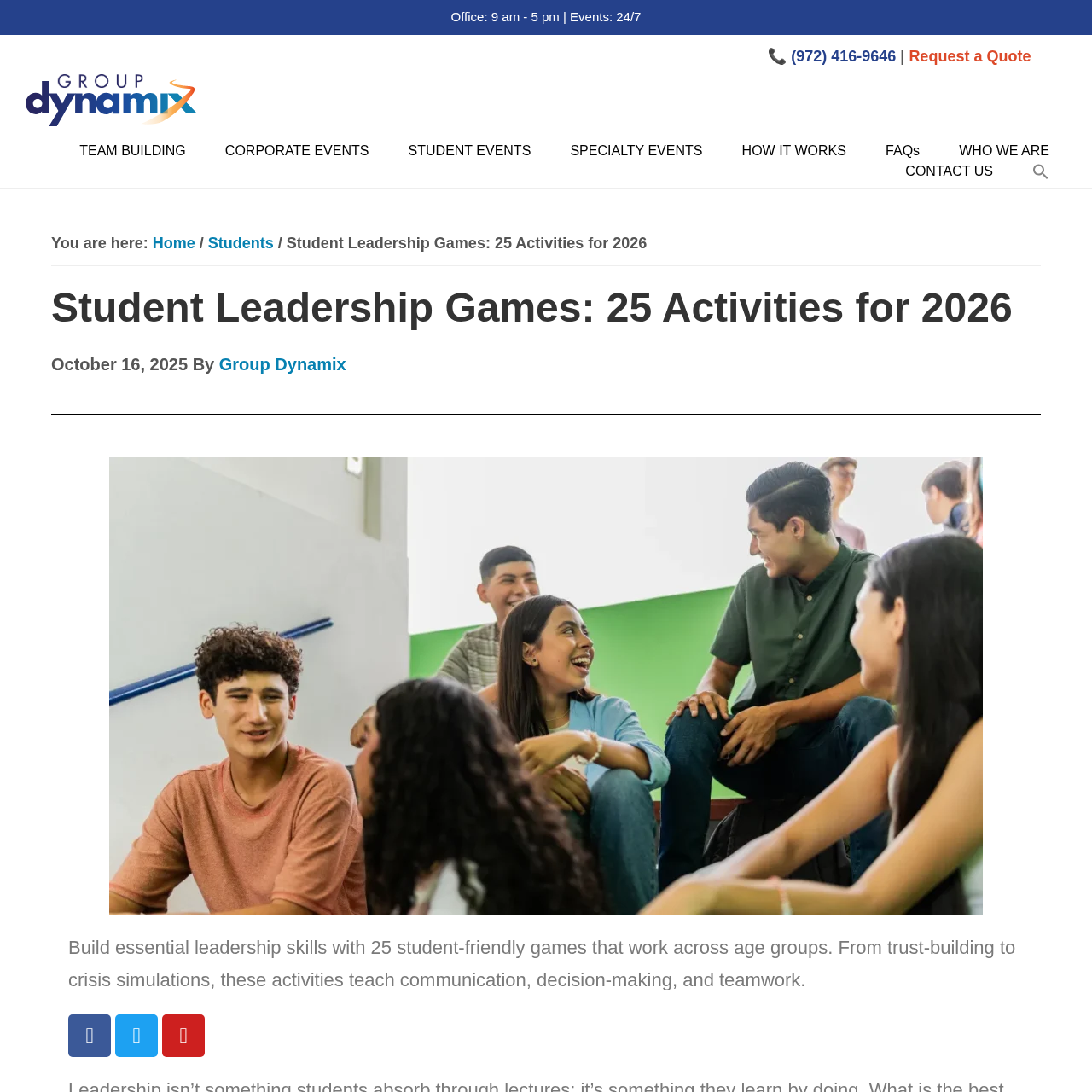
Caption: The screenshot shows the Group Dynamix page and site navigation around team-building and event categories.
This Group Dynamix resource is one of the most clearly activity-oriented entries in the list because the title directly promises 25 activities for 2026. It was published on 2025-10-16T12:24:42-05:00, making it a relatively current result compared with older classroom or conference-based materials. The visible navigation also shows a broader structure around team building, play events, connect events, and develop events, which suggests the site is organized for readers who want activity ideas rather than purely theoretical leadership discussion.
Key Features:
- Title indicates a collection of 25 student leadership games or activities
- Published date visible: 2025-10-16T12:24:42-05:00
- Site navigation includes team-building categories such as play, connect, and develop events
- Specific game descriptions, skill mapping, and assessment approach: Information not available
For readers exploring student leadership training activities, this page is attractive because it is explicit about quantity and relevance. A list of 25 games may help busy program leaders gather options quickly. However, the supplied analysis does not include the actual games, their complexity, facilitation instructions, or learning outcomes. That means it is best viewed as a discovery resource rather than a fully assessable solution based on the data available here.
Best For: General use, especially readers looking for a current game-based activity roundup related to student leadership.
6. Classroom Activities - Leadership Education - LibGuides at Elon University
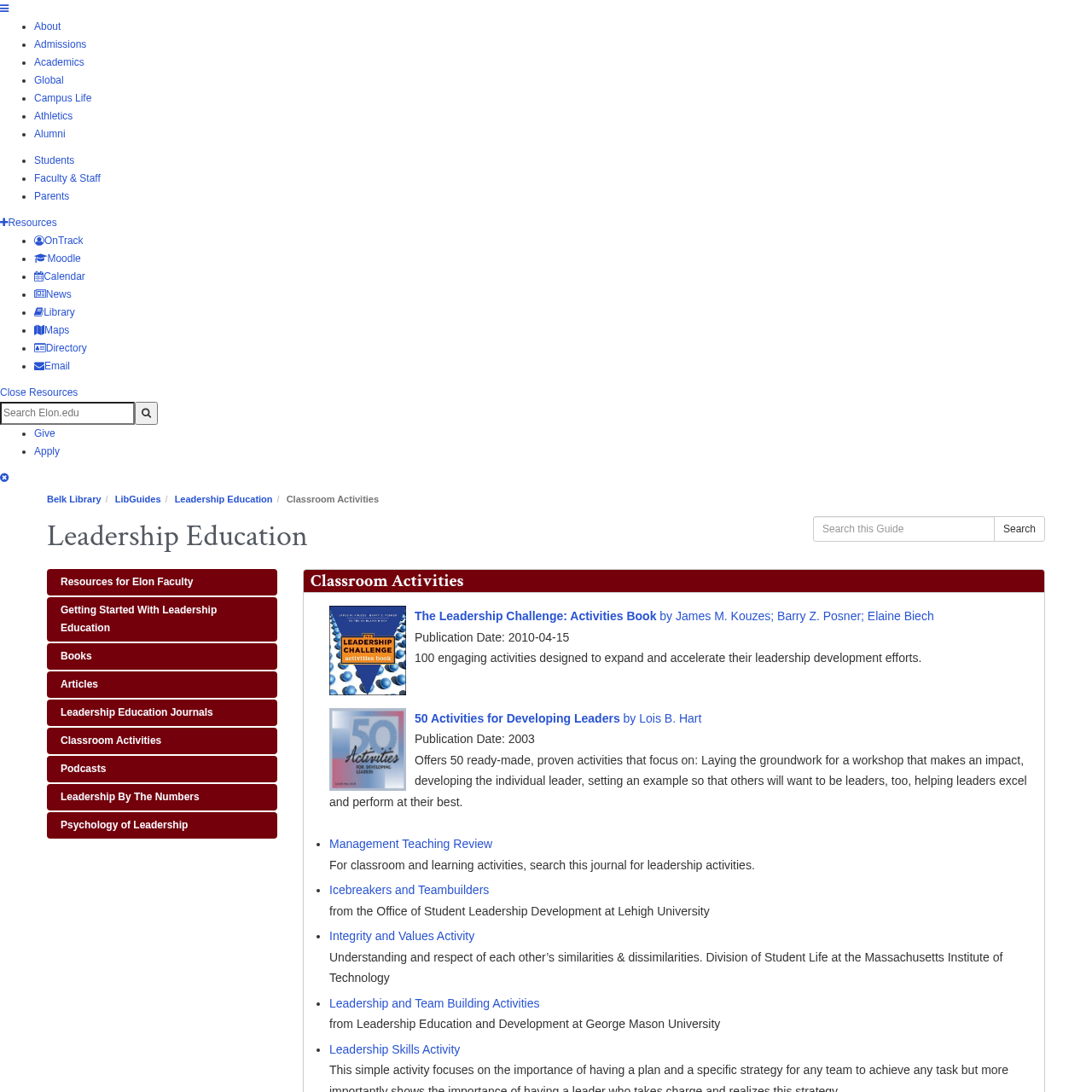
Caption: The screenshot shows Elon University’s LibGuides interface for classroom activities in leadership education.
This Elon University entry is hosted in LibGuides, which immediately signals a curated academic-resource format. The title—Classroom Activities - Leadership Education—makes it especially relevant for faculty, librarians, or program designers who want leadership content that can fit a classroom setting. Because LibGuides often gather teaching resources in an organized way, this entry may be particularly useful for readers who prefer curated collections over event-style pages.
Key Features:
- Hosted in LibGuides at Elon University
- Positioned within Leadership Education and classroom activities
- Embedded in a broader academic navigation structure on the Elon domain
- Specific classroom exercise details, duration, and learning outcomes: Information not available
The likely strength of this resource is curation. A LibGuide can be an efficient way to surface classroom-ready material, especially for educators who want structured reference pages. That said, the supplied data does not show the actual classroom activities, whether they are discussion-based or experiential, or how they support measurable leadership growth. As with several other university-hosted entries here, readers should inspect the source directly before adopting it as a core training resource.
Best For: General use, especially educators seeking a university-curated classroom resource related to leadership education.
Common Questions About Student Leadership Training Activities
What makes student leadership training activities effective?
The most effective activities ask students to do leadership, not just talk about it. That usually means decision-making, role clarity, teamwork, communication under pressure, and structured reflection afterward. A strong debrief is just as important as the activity itself because it helps each student connect the experience to future behavior.
Are short activities enough for leadership development?
Short activities can be useful, especially for warm-ups, reflection prompts, or quick lessons. However, shorter formats often work best as part of a larger development sequence. If your goal is deeper behavior change—such as prioritization, negotiation, or leading