
Communication Team Building Activities for Stronger Teams
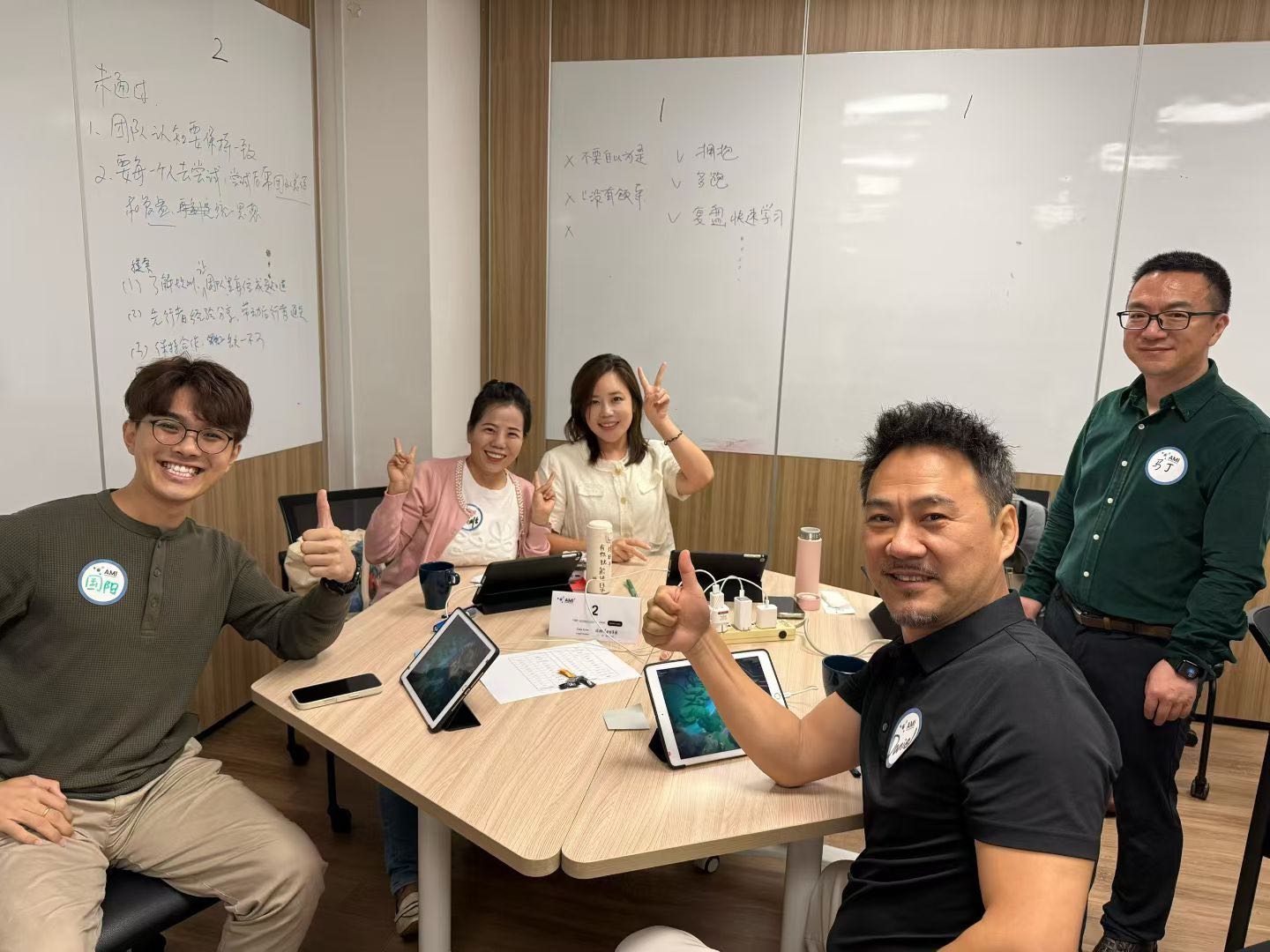
Communication Team Building Activities for Stronger Teams
Communication team building activities help teams do more than “get along.” They teach people how to listen, speak clearly, ask better questions, give useful feedback, and avoid the misunderstandings that slow projects down. In modern workplaces, where people collaborate across departments, time zones, and digital tools, strong communication is not optional—it is a core business skill.
Definition: Communication team building activities are structured exercises that help people share information clearly, listen actively, solve misunderstandings, and build trust while working toward a common goal. They can be used in offices, remote teams, classrooms, and workshops to improve collaboration, morale, and everyday performance.
The best part is that these activities do not need to be complicated. A five-minute listening drill before a meeting, a role-play after a conflict, or a short group challenge during onboarding can dramatically improve how a team works together. For remote teams that need fast session ideas, quick team building games online can be a helpful starting point.
In this guide, you will learn what communication team building activities are, why they matter, when to use them, how to run them well, and which exercises deliver the biggest benefits.

What are communication team building activities?
Communication team building activities are exercises designed to improve how people exchange information and work together. Unlike generic team games that focus mainly on fun or bonding, these activities target specific workplace skills such as active listening, concise messaging, empathy, feedback, and collaboration under pressure.
How they differ from general team-building exercises
A general team-building activity might focus on morale, energy, or social connection. That has value. But communication-focused activities go one step further: they train a team to interact better in real work situations.
For example:
- A casual icebreaker may help people feel comfortable.
- A communication activity helps them practice paraphrasing, clarifying expectations, or giving feedback.
- A trust-building game may create connection.
- A communication exercise teaches how to speak up, listen without interrupting, and reduce assumptions.
That distinction matters. Teams rarely fail because people lack technical knowledge alone. More often, issues come from poor handoffs, vague instructions, unspoken frustration, unclear priorities, or feedback that never gets delivered.
The communication skills these activities strengthen
Strong communication team building activities usually develop one or more of these skills:
- Active listening: hearing what someone said, not what you assumed they meant
- Clarity: expressing ideas simply and precisely
- Questioning: asking follow-up questions before acting
- Empathy: understanding another person’s perspective
- Feedback: giving constructive input without creating defensiveness
- Nonverbal awareness: noticing body language, tone, and pacing
- Alignment: checking that everyone shares the same understanding
- Psychological safety: making it easier for team members to speak honestly
What communication team building activities look like in practice
These activities can take many forms:
- 5-minute meeting warm-ups
- 20-minute workshop exercises
- 60-minute facilitated team sessions
- Remote collaboration games in video calls
- Cross-functional simulations based on real workflows
Some are playful. Some are reflective. Some are highly practical and mirror real business challenges. If your team enjoys a more imaginative format, you may also like our guide on Article about creative games for team building, which complements communication work with idea generation and collaborative play.
Why are communication team building activities important?
Poor communication is expensive, frustrating, and avoidable. Teams lose time when instructions are incomplete, meetings drift without decisions, and people leave conversations with different interpretations of the same message. Communication team building activities help teams catch these issues before they become patterns.
They solve everyday workplace problems
Most teams do not need communication training because they are “bad” at talking. They need it because normal work creates friction. Common examples include:
- A manager thinks expectations were clear, but the team heard something different
- One department uses jargon another department does not understand
- Remote employees miss context that office-based employees absorb naturally
- Quiet team members stay silent even when they see risks
- Feedback is delayed until frustration has already built up
- Meetings end without clear owners or next steps
A well-designed communication activity creates a safe space to practice better habits before the stakes are high.
They improve performance, not just morale
It is easy to think of team building as a “soft” activity. In reality, communication shapes hard outcomes:
- project speed
- error rates
- customer experience
- employee engagement
- conflict resolution
- innovation quality
- retention
Teams that communicate well spend less time reworking tasks and more time moving forward. They make decisions faster because they understand each other sooner. They also surface concerns earlier, which prevents small issues from becoming expensive problems.
They build trust and psychological safety
Trust is not built through slogans. It grows when people feel heard, respected, and safe to contribute. Communication team building activities strengthen this by helping team members practice:
- listening without interrupting
- responding without blame
- disagreeing respectfully
- speaking honestly about blockers
- asking for help early
These habits are especially important in mixed seniority teams, cross-functional groups, and remote environments where misinterpretation happens more easily.
12 communication team building activities to try

Below are practical activities you can use with in-person, hybrid, or remote teams. Each one builds a different communication skill, so choose based on the problem you want to solve.
Activities for active listening
1. Two-Minute Listener
How it works: Pair people up. One person speaks for two minutes about a recent challenge at work. The other person cannot interrupt. Afterward, the listener summarizes what they heard.
Why it works: Many people listen to respond, not to understand. This activity forces full attention and improves recall, empathy, and paraphrasing.
Best for: Teams that interrupt each other, rush to solutions, or miss key details.
2. Paraphrase Relay
How it works: One person explains a short work scenario. The next person must restate it in their own words before adding one useful question. Continue around the group.
Why it works: It trains people to confirm understanding before acting, which reduces confusion in meetings and handoffs.
Best for: Project teams, customer success teams, and cross-functional groups.
3. Back-to-Back Drawing
How it works: Sit two people back-to-back. One person looks at a simple image and describes it without naming the object directly. The other person draws based only on the description.
Why it works: This classic exercise reveals how vague language, assumptions, and missing detail affect outcomes.
Best for: Teams that need better precision in written or verbal instructions.
Activities for clarity and concise messaging
4. One-Minute Brief
How it works: Give each person one minute to explain a project update, idea, or problem. They must cover the goal, the current status, and the next step clearly and briefly.
Why it works: It helps people organize their thoughts and communicate with focus rather than flooding the group with information.
Best for: Managers, team leads, and employees who struggle with long, unclear updates.
5. Story Chain with Constraints
How it works: The first person starts a short story or work scenario in two sentences. Each person adds exactly one sentence, but they must connect clearly to the previous speaker’s point.
Why it works: The constraints force attention, sequencing, and relevance. It becomes obvious when someone stops listening or changes direction without context.
Best for: Teams that need better conversation flow and collaborative thinking.
6. Silent Line-Up
How it works: Ask the group to line up in a certain order—by birthday month, years of experience, commute length, or coffee strength preference—without speaking.
Why it works: It highlights the role of nonverbal communication, observation, and collaboration under limitations.
Best for: New teams or workshops where you want a low-pressure opener.
Activities for feedback, trust, and speaking up
7. Feedback Ladder
How it works: Share a sample idea, presentation, or process. Team members respond in four steps: clarify, value, concern, suggest.
Why it works: It gives people a structure for feedback so comments become more balanced and useful.
Best for: Teams that avoid feedback or deliver it too bluntly.
8. Appreciation Circle
How it works: Each person shares one specific thing they appreciate about another team member’s communication style or contribution.
Why it works: Recognition improves trust and helps people see which communication behaviors already support the team.
Best for: Teams rebuilding morale or wanting to reinforce positive habits.
9. Blindfold Navigator
How it works: One person is blindfolded and must complete a simple path or task while a partner gives verbal directions.
Why it works: It exposes how important tone, timing, and specificity are. It also shows whether instructions are calm and actionable under pressure.
Best for: Groups that need stronger trust and cleaner direction-giving.
Activities for remote or hybrid teams
10. Camera-Off Description Challenge
How it works: In a video call, one person describes an object, process, or layout while others try to recreate or identify it without visual cues.
Why it works: Remote communication often depends on verbal clarity. This exercise strengthens descriptive language and checks assumptions.
Best for: Distributed teams, remote onboarding, and virtual workshops.
11. Virtual Whiteboard Handoff
How it works: Break the team into small groups using a digital whiteboard. One group maps a process, then hands it to another group to continue with no verbal explanation—only what is on the board.
Why it works: It reveals whether written communication is truly clear enough for others to execute.
Best for: Product, operations, and project teams documenting workflows.
12. Mood Check-In and Micro Retrospective
How it works: Start a meeting by having each person share how they are arriving—energized, distracted, stressed, focused—then close by asking what communication helped and what did not.
Why it works: This normalizes honest context-sharing and creates a simple feedback loop.
Best for: Teams that want lightweight communication habits without a full workshop.
If your team enjoys challenge-based learning, our Article about problem-solving games for team building offers additional formats that blend communication with analysis and decision-making.
How do you run communication team building activities effectively?

Knowing a good activity is only half the job. The real impact comes from how you facilitate it.
1. Start with a specific communication goal
Do not begin with “We should do some team building.” Start with the problem. Ask:
- Are people not listening fully?
- Are updates too vague?
- Is feedback inconsistent?
- Are remote employees missing context?
- Is conflict being avoided?
A clear goal helps you choose the right activity. For example:
- Use Back-to-Back Drawing for clarity
- Use Two-Minute Listener for listening
- Use Feedback Ladder for feedback quality
- Use Virtual Whiteboard Handoff for documentation and handoff issues
2. Match the activity to the team
Consider:
- Team size
- Seniority mix
- Remote vs. in-person
- Available time
- Current trust level
A new team may need low-pressure exercises first. A team recovering from conflict may need carefully facilitated activities with more reflection and less competition. A senior leadership group may respond better to realistic simulations than playful games. For more structured, decision-focused formats, try strategy games for team building.
3. Explain the purpose before you begin
People are more engaged when they understand why an activity matters. Instead of saying, “We’re doing a game,” say something like:
“We’ve had a few project handoff issues lately, so we’re going to practice how we clarify details and check understanding.”
This frames the exercise as relevant, professional, and useful.
4. Debrief every activity
The debrief is where learning happens. Ask:
- What made communication easy or hard?
- Where did assumptions show up?
- What helped you feel heard?
- What caused confusion?
- What should we do differently in real work?
Without a debrief, an activity may feel entertaining but disconnected from actual team improvement.
5. Turn insights into one practical behavior
After the exercise, choose one concrete habit to adopt. For example:
- summarize action items at the end of meetings
- ask one clarifying question before starting work
- use a standard project update format
- rotate note-taking responsibilities
- begin retrospectives with a brief emotional check-in
This bridge between activity and behavior is what makes communication team building activities stick.
When should I use communication team building activities?
Communication exercises are most useful when they respond to a real team moment. You do not need to wait for a major breakdown.
Best times to use them
During onboarding
New team members need more than a systems walkthrough. They need to learn how the team communicates: meeting style, feedback norms, escalation paths, and decision-making habits. A few simple activities early on can accelerate belonging and alignment.
Before a major project kickoff
When deadlines are tight and cross-functional work is involved, communication quality matters immediately. A short exercise before kickoff can help the team agree on expectations, language, and how to raise blockers.
After conflict or repeated misunderstandings
If a team has tension, missed deadlines, or recurring confusion, communication team building activities can serve as a reset. Choose structured exercises with clear debriefs rather than purely playful formats.
During organizational change
Mergers, restructures, manager transitions, and new processes often create uncertainty. Communication activities help teams surface assumptions, ask questions, and create shared understanding.
In remote and hybrid environments
Distributed teams need intentional communication habits because they miss many informal cues. Short virtual exercises can strengthen clarity, inclusion, and connection. For more ideas tailored to distributed groups, see our guide on Article about online team building games.
How often should you use them?
You do not need an all-day workshop every week. A simple cadence works well:
- Weekly: 5-10 minute communication warm-up in team meetings
- Monthly: 20-30 minute focused activity tied to a team challenge
- Quarterly: deeper workshop with reflection and team norms review
- As needed: after conflict, reorganization, or project postmortems
Consistency matters more than intensity. Small, repeated activities create better habits than one big event that everyone forgets.
What are the benefits of communication team building activities?

The benefits of communication team building activities show up at multiple levels: individual, team, and organizational.
Benefits for individuals
People often experience:
- more confidence speaking in meetings
- stronger listening and questioning skills
- better ability to give and receive feedback
- reduced anxiety around difficult conversations
- more awareness of tone and nonverbal cues
- greater empathy for colleagues with different styles
For quieter employees, communication activities can create a safer path into participation. For stronger personalities, they can build patience and awareness.
Benefits for teams
At the group level, the gains are even clearer:
- fewer misunderstandings
- smoother handoffs between roles
- shorter, more effective meetings
- stronger trust
- faster conflict resolution
- improved collaboration across departments
- clearer ownership and accountability
When a team communicates better, it wastes less energy decoding one another. That frees up attention for solving problems and doing high-quality work.
Benefits for the organization
For leaders, communication team building activities can support broader goals such as:
- improved employee engagement
- stronger retention
- better customer interactions
- increased adaptability during change
- healthier team culture
- more consistent performance
They also help create a workplace where collaboration is teachable, not assumed. For a real-world example, see this communication and teamwork training program for PALL leaders.
How to measure whether they are working
You do not need complex analytics to evaluate impact. Look for signs such as:
- fewer repeated questions about responsibilities
- clearer meeting notes and action items
- reduced conflict escalation
- better participation from quieter team members
- faster project updates and handoffs
- improved pulse survey responses on communication and trust
Even simple before-and-after feedback can be useful. Ask the team to rate clarity, listening, and meeting quality at the start of a month, then revisit after several activities.
Common mistakes to avoid
Even good activities can miss the mark if they are used poorly.
Choosing “fun” without a purpose
An exercise may be energetic but still irrelevant. Start with the communication issue you want to improve, then choose the activity.
Skipping the debrief
Without discussion, people may remember the moment but miss the lesson. Always connect the activity to real work.
Forcing vulnerability too quickly
Not every team is ready for deeply personal sharing. Begin with low-risk exercises and build from there.
Ignoring inclusion and accessibility
Choose activities that work for different personality types, communication styles, physical abilities, and remote setups. Make sure everyone can participate meaningfully.
Treating it as a one-time fix
Communication habits improve through repetition. One workshop can start momentum, but ongoing practice is what changes a team’s day-to-day behavior.
Conclusion: better communication creates better teams
Communication team building activities are not just icebreakers or filler for offsites. When used well, they help teams listen more carefully, speak more clearly, give better feedback, and trust one another more fully. That leads to better meetings, fewer misunderstandings, stronger collaboration, and healthier performance over time.
If you want to get started, keep it simple:
- Identify one communication problem your team faces now.
- Choose one short activity that matches that problem.
- Run it in your next meeting.
- Debrief for five minutes.
- Turn the lesson into one team habit for the next month.
That small cycle can produce meaningful change surprisingly quickly. And if you want to expand beyond communication-focused exercises, explore related formats like Article about creative games for team building for playful collaboration or Article about problem-solving games for team building for more analytical team challenges.