
Article about problem-solving games for team building
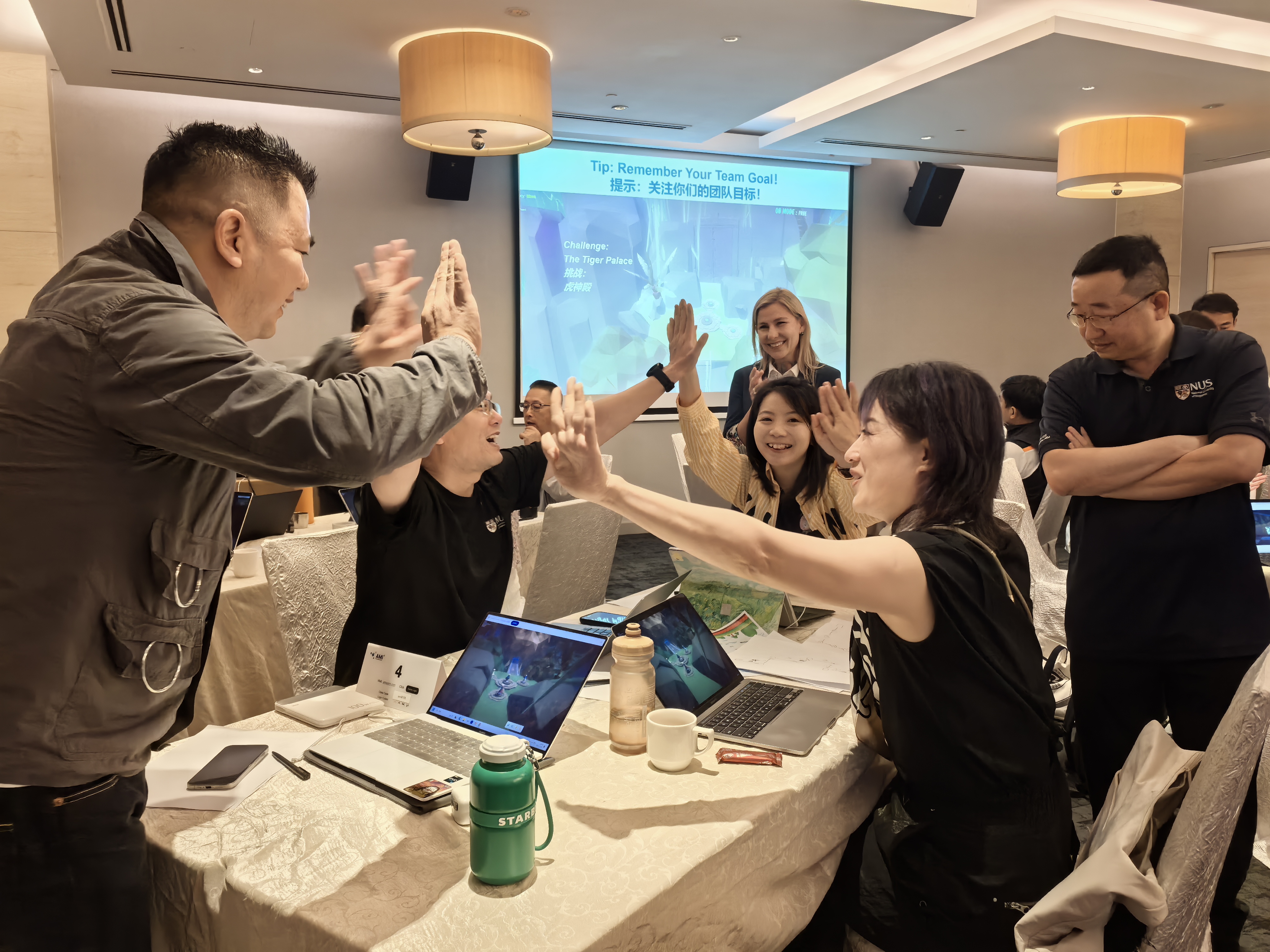
Unlocking Potential: A Comprehensive Guide to Problem-Solving Games for Team Building
In the modern corporate landscape, the ability of a team to navigate complex challenges collectively is often the difference between stagnation and innovation. While individual brilliance is valuable, the synergy of a cohesive unit amplifies success. This is where problem-solving games for team building come into play. They are not merely "icebreakers" or recreational breaks; they are strategic tools designed to forge resilience, enhance communication, and uncover hidden leadership dynamics within a group.

What Are Problem-Solving Games for Team Building?
Problem-solving games for team building are structured activities and simulations designed to challenge groups to solve complex tasks, puzzles, or scenarios collaboratively. These exercises strip away the hierarchy of the daily workplace, forcing participants to rely on logic, creativity, active listening, and collective decision-making to reach a specific goal within a set timeframe.
Unlike standard social gatherings, these games are intentional. They mimic real-world pressures—resource scarcity, time constraints, and information gaps—in a low-stakes environment. This allows teams to practice critical skills without the fear of financial loss or operational failure.
Why Are Problem-Solving Games Important?
The importance of problem-solving games for team building lies in their ability to bridge the gap between theory and practice. In a typical office setting, employees often work in silos, communicating only when necessary. This can lead to fragmented workflows and "groupthink," where new ideas are stifled.
By introducing a neutral challenge—such as a survival simulation or an engineering puzzle—you level the playing field. These games reveal the cognitive diversity within a team. You might discover that the quiet data analyst has exceptional leadership skills during crisis simulations, or that the extroverted sales manager struggles with active listening.
For organizations looking to implement structured methodologies, looking into professional courses can be beneficial. For a deeper dive into how structured activities function, check out our guide on Team Building ProgramToggle Menu.
The Core Benefits of Problem-Solving Games
When implemented correctly, the benefits of problem-solving games for team building extend far beyond the duration of the activity.
1. Enhanced Communication
Most workplace errors stem from miscommunication. In a problem-solving game, vague instructions lead to immediate failure. This feedback loop forces participants to articulate ideas clearly, listen actively, and verify that their message was understood.
2. Cognitive Diversity and Critical Thinking
Different people approach problems differently. Some are analytical; others are intuitive. These games require a blend of both. This is beautifully illustrated in educational settings as well. For example, you might be interested in Unlocking Diverse Insights: TEAM FORGING Enhances Critical Thinking and Problem-Solving Skills Among a Spectrum of Student Profiles at PSB AcademyToggle Menu, which covers how different profiles contribute to collective success.
3. Psychological Safety and Trust
Innovation requires risk-taking, and risk-taking requires safety. Games provide a "safe container" where failure is part of the learning process. When a team fails a puzzle together and laughs about it, they build the resilience needed to handle real project failures later.
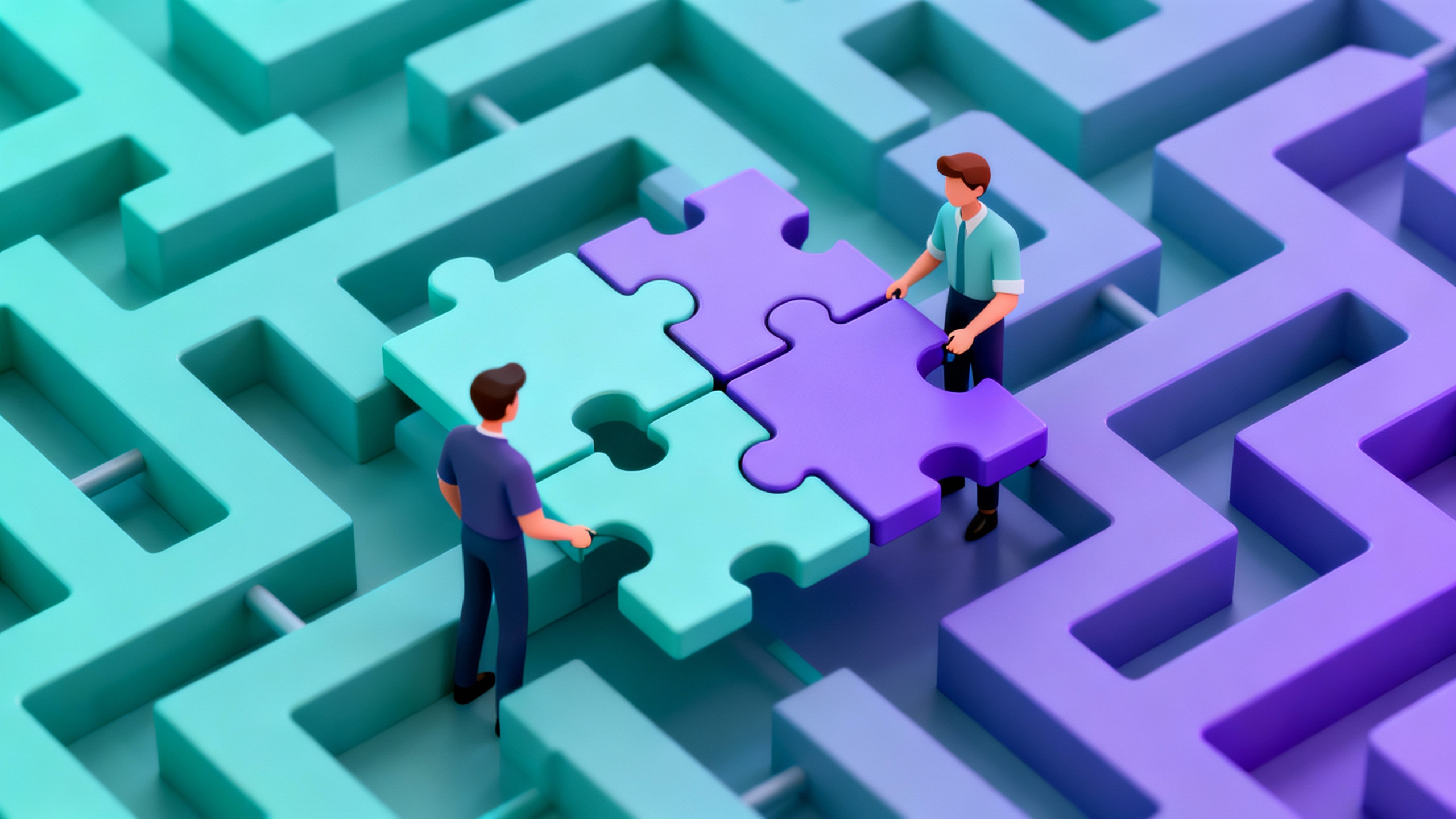
Types of Problem-Solving Games for Team Building
To maximize effectiveness, it is crucial to select the right type of game for your team’s specific needs.
Strategic and Logic Puzzles
These games focus on deduction and analytical thinking. They are excellent for teams that handle data, engineering, or complex logistics.
- The Barter Puzzle: Teams are given different jigsaw puzzle pieces and must negotiate and trade with other teams to complete their own puzzle. This teaches negotiation and resource management.
- Escape Rooms: Whether physical or digital, these require intense focus and role allocation to solve a series of sequential locks and riddles.
Creative Construction
These activities require teams to build something tangible, physically demonstrating their ability to plan and execute.
- The Egg Drop: A classic engineering challenge where teams must build a structure to protect a raw egg from a high fall using limited materials (straws, tape, card).
- Bridge Building: Teams must construct a bridge that can support a specific weight, often bridging two tables.
Moral and Decision-Making Scenarios
These games test values and consensus-building.
- Lost at Sea: Teams must rank a list of 15 items (mirror, mosquito netting, water, etc.) based on their importance for survival. They must agree on the ranking as a group, often revealing dominance and submission dynamics in conversation.
Immersive Simulations
For a more profound impact, especially in academic and high-stakes business environments, immersive simulations are used. These track behavior over time. To see how this applies in rigorous academic environments, read about Three Years of Transformation: The Broad Integration of the TEAM FORGING Game in Business and Engineering Programs at NUSToggle Menu.
How to Implement Problem-Solving Games Effectively
Successfully running problem-solving games for team building requires more than just buying a board game. It requires facilitation.
Step 1: Diagnosis
Before choosing a game, ask: What is the problem?
- Is the team new and awkward? (Needs icebreakers/trust games)
- Is there a lack of innovation? (Needs creative construction games)
- Is there conflict between departments? (Needs negotiation games)
Step 2: The Setup
Ensure the environment is conducive to interaction. If virtual, ensure all technology works. If physical, ensure there is space to move. Set clear rules but do not over-explain strategy—let the team figure it out.
Step 3: The Observation
As a leader or facilitator, step back. Do not interfere unless the conflict becomes toxic. Observe who takes charge, who withdraws, and how the team handles frustration.
Step 4: The Debrief (The Most Important Part)
A game without a debrief is just recess. After the activity, gather the team and ask:
- "What was the most frustrating moment?"
- "How did we decide on a strategy?"
- "Whose contribution went unnoticed?"
- "How does this relate to our current project?"
To effectively track the long-term impact of these interventions, utilizing tools like the Team Dynamics HubToggle Menu can provide data-driven insights into how the team's collaborative metrics are improving over time.

When Should You Use Problem-Solving Games?
Timing is everything. Implementing these games at the wrong time can feel like a distraction, but at the right time, they are catalytic.
1. During Onboarding
When new teams form (the "Forming" stage of Tuckman's model), anxiety is high. Low-stakes problem-solving games help break the ice and establish initial norms of communication.
2. After a Restructure or Merger
When two cultures collide, friction is inevitable. Problem-solving games provide a neutral ground where legacy hierarchies are temporarily suspended, allowing new bonds to form based on current ability rather than past titles.
3. Before a High-Stakes Project
Just like athletes warm up before a game, teams should "warm up" their cognitive collaboration skills before diving into a major Q4 project. A quick logic puzzle can sharpen the mind and align the team's focus.
4. During Periods of Burnout
Paradoxically, taking time away from work to play a game can increase productivity. It provides a "palette cleanser" for the brain, reducing stress and allowing the team to return to work with a fresh perspective.
Conclusion: Making the Investment
Integrating problem-solving games for team building into your company culture is an investment in human capital. These activities transform abstract concepts like "synergy" and "collaboration" into tangible experiences. They expose weaknesses in a safe environment so they can be addressed before they become critical failures in the marketplace.
Whether you rely on simple office-based puzzles or complex, university-grade simulations, the goal remains the same: to forge a unit that is greater than the sum of its parts.
To continue exploring strategies for your organization, we recommend exploring our archive of Posts tagged "Team Development"Toggle Menu for more insights and practical advice.
Frequently Asked Questions
What are the best problem-solving games for remote teams?
For remote teams, virtual escape rooms, "unsolveable" riddles, and collaborative digital whiteboard challenges (like designing a remote work charter) are highly effective. Tools that allow screen sharing and breakout rooms are essential.
How often should we do team building games?
It depends on the team's stability. For established teams, a quarterly "deep dive" event is recommended, supplemented by shorter 15-minute games during weekly meetings to keep momentum high.
How do I handle employees who hate games?
Resistance usually stems from a fear of embarrassment or a feeling that it is a waste of time. mitigate this by clearly explaining the purpose of the game (linking it to business goals) and ensuring the environment is truly psychologically safe. Avoid games that are physically demanding or socially awkward.