
Article about Foursight thinking simulation
The Ultimate Guide to Foursight Thinking Simulation: Unlocking Creative Problem Solving
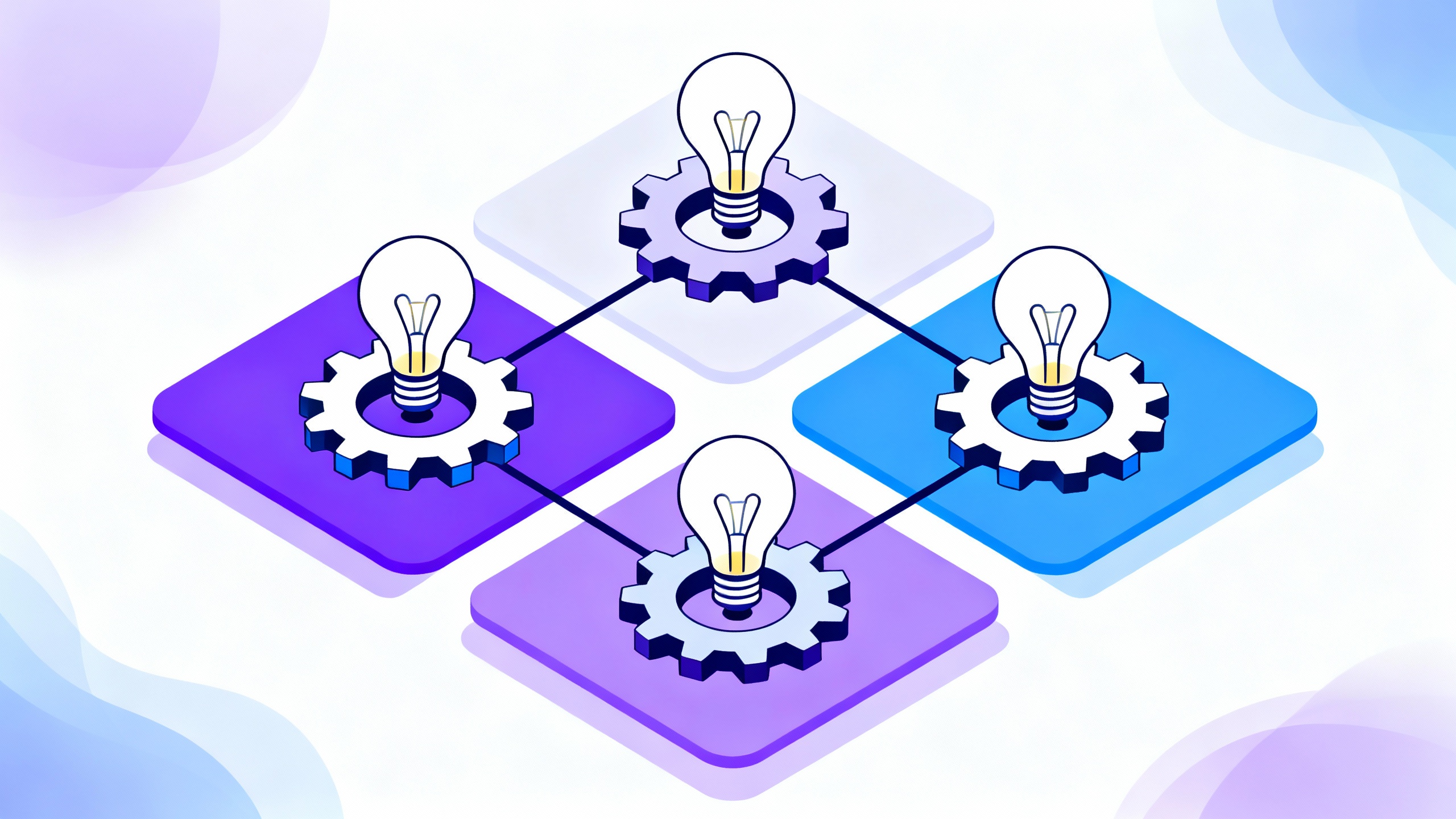
Foursight thinking simulation is a strategic methodology and framework designed to reveal how individuals and teams process information to solve problems. By identifying four distinct thinking preferences—Clarifier, Ideator, Developer, and Implementer—this simulation helps organizations optimize their innovative processes, ensuring that ideas move effectively from conception to execution without getting stalled.
In the modern business landscape, innovation is often treated as a buzzword rather than a structured process. Companies demand "out-of-the-box" thinking, yet they frequently struggle to operationalize creativity. Teams often find themselves trapped in endless brainstorming sessions that yield no results, or conversely, rushing to implement solutions that haven't been fully vetted. This is where the Foursight thinking simulation becomes a game-changer.
Unlike standard personality tests that focus on who you are, Foursight focuses on how you think and how you work. By simulating complex problem-solving scenarios, this framework allows teams to see their cognitive biases in real-time, understand where their innovation process is breaking down, and reframe their workflow for maximum efficiency.
What is Foursight Thinking Simulation?
At its core, Foursight thinking simulation is based on decades of research into the Universal Creative Problem Solving (CPS) process. Developed by Gerard Puccio and his colleagues, it posits that while everyone can think creatively, we all have specific preferences for different stages of the innovation cycle.
The simulation aspect refers to the practical application of this theory. It isn't just about taking a quiz; it involves workshops and exercises where teams are given a challenge to solve. Through this process, the simulation reveals the hidden friction points in a team's dynamic.
The Cognitive Gap
Most friction in teams isn't personal; it's cognitive. When an "Ideator" (who loves generating wild ideas) clashes with a "Clarifier" (who wants to dig into data and history), it feels like a personality conflict. However, the Foursight thinking simulation reframes this as a necessary tension in the innovation cycle.
The simulation helps participants visualize these cognitive gaps. It answers the fundamental question: Why do we get stuck? By understanding the mechanics of thinking patterns, teams can stop blaming each other and start leveraging their differences to build a complete innovation workflow.
The Four Archetypes of Creative Problem Solving
To understand how to apply the Foursight thinking simulation, one must first understand the four dominant profiles that emerge during the process. A successful simulation will identify which team members fall into which categories.
1. The Clarifier
Clarifiers are focused on the "Who, What, Where, When, and Why." They want to look at the research, understand the history of the problem, and ensure the right questions are being asked before moving forward.
- Strength: Prevents teams from solving the wrong problem.
- Weakness: Can suffer from "analysis paralysis" and stall progress.
2. The Ideator
Ideators are the visionaries. They love the "What if?" stage. They are playful, imaginative, and comfortable with ambiguity. In a Foursight thinking simulation, they are usually the ones filling the whiteboard with sticky notes.
- Strength: Generates a high volume of novel possibilities.
- Weakness: Can get bored with details and may overlook practical constraints.
3. The Developer
Developers take abstract ideas and turn them into workable solutions. They are structural thinkers who ask, "How will this work?" They refine, analyze, and craft the plan.
- Strength: Turns rough concepts into polished, feasible solutions.
- Weakness: Can be overly critical of new ideas, sometimes killing innovation too early in the pursuit of perfection.
4. The Implementer
Implementers are driven by Action. They want to get the idea out the door. Their mantra is "Let’s do it." They engage in the final stage of acceptance and execution.
- Strength: Drives results and ensures projects cross the finish line.
- Weakness: May leap into action without a full plan, leading to mistakes that need fixing later.
Why is Foursight Thinking Simulation Important?
Many organizations ask, Why is Foursight thinking simulation important? The answer lies in the high failure rate of internal projects. Statistics show that a vast majority of innovation initiatives fail not because of a lack of ideas, but because of a breakdown in the process.
Bridging the "Innovation Gap"
If a team is composed entirely of Ideators, they will have a fun time but produce nothing. If a team is entirely Implementers, they will work very hard doing the wrong things. The Foursight thinking simulation is critical because it diagnoses these imbalances.
By simulating a project lifecycle, leadership can see if they are "heavy" in one area and "light" in another. This awareness allows for strategic hiring or restructuring of teams to ensure a balanced approach to problem-solving.
Psychological Safety
The simulation creates a neutral language for feedback. Instead of saying, "You are being difficult and blocking my idea," a team member can say, "It seems like you are in 'Clarifier' mode, but we are currently in the 'Ideation' phase. Can we hold those questions for later?" This shift in language dramatically reduces interpersonal conflict.

How to Facilitate a Foursight Thinking Simulation
Knowing how to Foursight thinking simulation effectively requires careful planning. It involves more than just handing out test results; it requires an immersive experience. Here is a standard workflow for running a simulation.
Step 1: The Assessment Phase
Before the workshop, all participants complete the profile assessment. This generates data on their individual preferences regarding the four thinking styles.
Step 2: The "Blind" Simulation
To make the learning stick, facilitators often start with a problem-solving exercise before revealing the results. Teams are given a generic business problem (e.g., "Design a new onboarding experience"). The facilitator observes the chaos:
- Who asks for more data?
- Who starts shouting out ideas immediately?
- Who starts drawing a process map?
- Who is checking the time and pushing for a decision?
Step 3: The Reveal and Mapping
The facilitator reveals the profiles. Participants then "map" themselves on a visual chart. This is the "Aha!" moment. The team helps realize why the previous exercise went the way it did. This visual mapping is the core of the thinking simulation.
Step 4: Reframing the Workflow
The final step involves re-running the simulation or applying the framework to a real, current business problem. This time, the team explicitly moves through the stages:
- Clarify: Give the Clarifiers the floor.
- Ideate: Let the Ideators lead, suspending judgment.
- Develop: Allow Developers to refine the top ideas.
- Implement: Let the Implementers build the action plan.
When Should I Use Foursight Thinking Simulation?
Determining when should I use Foursight thinking simulation depends on the lifecycle of your teams and projects. It is a versatile tool, but it shines in specific scenarios.
1. During Project Kickoffs
Starting a new project with a Foursight thinking simulation sets the ground rules for collaboration. It helps the project manager assign roles based on cognitive strengths rather than just job titles.
2. When a Team is "Stuck"
If a project has stalled, a simulation can act as a diagnostic tool. It usually reveals that the team is looping in one phase (e.g., "Analysis Paralysis" in the Clarifier stage) and needs a nudge to move to the next.
3. Post-Merger Integration
When two different corporate cultures merge, the friction can be intense. Using this simulation depersonalizes the conflict and focuses everyone on a shared vocabulary of innovation.
4. Leadership Development
For leaders, understanding that their thinking style might be suppressing their team is vital. An Implementer boss might unintentionally crush the creativity of an Ideator employee by demanding immediate ROI too soon.
What Are the Benefits of Foursight Thinking Simulation?
The benefits of investing time in this process are tangible and long-lasting. Here is a breakdown of what organizations gain.
Enhanced Innovation ROI
By ensuring that ideas are not just generated but also developed and refined, the quality of output increases. The simulation ensures the "baton" is passed smoothly from one stage of thinking to the next.
Speed to Market
Conflict slows things down. By using the Foursight framework, teams eliminate the downtime associated with misunderstandings and circular arguments.
Inclusive Decision Making
The simulation highlights the necessity of all four styles. It validates the quiet person who asks tough questions (Clarifier) just as much as the loud person with the big ideas (Ideator). This leads to better inclusivity and employee engagement.
Resilience and Agility
Teams that understand their cognitive limitations are better at pivoting. They know when to bring in outside help or when to shift gears, making the organization more agile in a changing market.

Real-World Application: A Case Study Example
Consider a tech startup struggling to launch a new app feature. They had brilliant engineers and creative designers, yet they missed three consecutive deadlines.
The Problem:
Upon running a Foursight thinking simulation, the team realized they were heavily skewed toward "Ideators" and "Developers." They had endless features (Ideation) and perfect code structure (Development), but almost no one focused on "Implementation." They kept refining the product, afraid to launch.
The Solution:
Using the insights from the simulation, leadership brought in a Project Manager with a high "Implementer" score. They also structured their meetings to have a "hard stop" on ideation.
The Result:
The feature launched within three weeks of the workshop. The simulation didn't change the talent of the team; it changed the flow of their thinking to ensure completion.
Conclusion
The Foursight thinking simulation is more than a personality test; it is a blueprint for high-performance collaboration. By demystifying the "black box" of creative problem solving, it empowers teams to respect their differences and utilize them as strategic assets.
For organizations looking to thrive in a complex economy, understanding the cognitive diversity of their workforce is no longer optional. Whether you are fixing a broken process, launching a new product, or trying to build a better culture, facilitating a Foursight simulation provides the clarity and structure needed to turn abstract thinking into concrete results.
Next Steps for Your Team:
If you are ready to optimize your team's innovative potential, consider scheduling a certified Foursight assessment. Start by identifying the cognitive gaps in your current projects and ask yourself: Are we stuck in ideation, or are we rushing to implementation without clarity? The answer lies in the simulation.